Und dann auf "Zum Home-Bildschirm [+]".

Stöbern
genialokal zum Startbildschirm hinzufügen
Installieren Sie die genialokal App auf Ihrem Startbildschirm für einen schnellen Zugriff und eine komfortable Nutzung.
Installieren Sie die genialokal App auf Ihrem Startbildschirm für einen schnellen Zugriff und eine komfortable Nutzung.

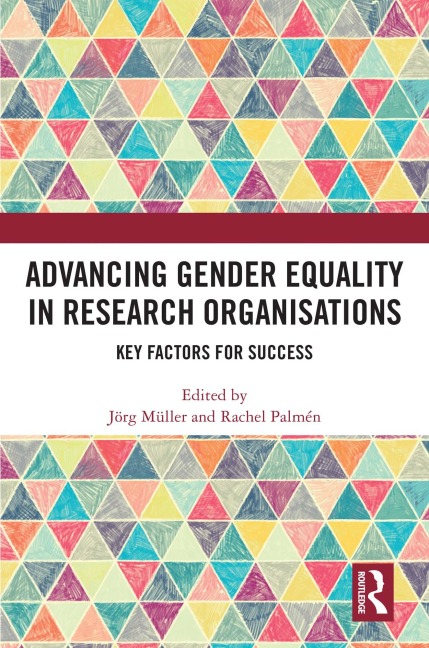
Advancing Gender Equality in Research Organisations: Key Factors for Success examines how organisational gender equality can be effectively designed, implemented, and evaluated in European universities and research institutions. Drawing on the most comprehensive study to date of gender equality plans across Europe, this edited volume presents 14 case studies from eight countries developed within the INSPIRE Centre of Excellence. The chapters analyse six core facilitating factors for sustainable change: strategic organisational commitment, comprehensive data collection for equalities work, advanced gender expertise, inclusive communities of change agents, enforceable legislation, and supportive social and cultural contexts. This book further advances the field through a comparative, outcome- and impact-oriented framework that addresses both gendered power relations and gendered value hierarchies, offering a critical alternative to symbolic equality measures. This book is essential reading for scholars of gender and organisational change; researchers and students in higher education studies; and practitioners, consultants, and policymakers engaged in gender equality work in research and innovation.
Jörg Müller, PhD, is a Senior Researcher at the Interdisciplinary Research Centre on Social and Cultural Transformations (UOC-TRÀNSIC) at the Universitat Oberta de Catalunya, Spain. He has coordinated several EC projects on gender equality and science, including GenPORT, GEDII, and ACT. His main research interest focuses on relational and practice-based accounts of inequalities using new methodological research approaches. Rachel Palmén, PhD, is a Senior Researcher in the Interdisciplinary Research Centre on Social and Cultural Transformations (UOC-TRÀNSIC) at the Universitat Oberta de Catalunya, Spain. She has worked on various gender and science research projects, including GenPORT, Efforti, TARGET, and ACT. Her main research interests include gender (in)equalities in research and innovation (R&I) and institutional transformation. She is the coordinator of INSPIRE: The European Centre of Excellence on Inclusive Gender Equality in Research & Innovation.
1. Introduction - How effective are Gender Equality Plans for organisational transformation? 2. Doing comparative research on Gender Equality Plans across Europe: methodological challenges and insights 3. Strategic Organisational Commitment for change 4. Comprehensive data for equalities decision-making 5. Advanced Gender Knowledge for structural change 6. Communities of Change for inclusive gender equality: from theory to practice 7. Enforceable Legislation 8. The role of cultural, political, and social context in structural change for inclusive gender equality 9. Comparing outcomes and impact: career progression and prevention of gender-based violence & harassment 10. From research to practice through co-creation: From GEP success factors to diagnostic tool development Index.