Und dann auf "Zum Home-Bildschirm [+]".

Stöbern
genialokal zum Startbildschirm hinzufügen
Installieren Sie die genialokal App auf Ihrem Startbildschirm für einen schnellen Zugriff und eine komfortable Nutzung.
Installieren Sie die genialokal App auf Ihrem Startbildschirm für einen schnellen Zugriff und eine komfortable Nutzung.
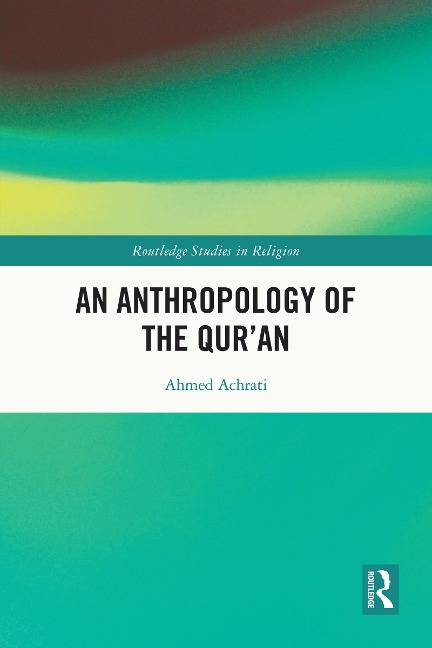
This book presents an anthropological study of the Qur'an, offering an unprecedented challenge to some of the epistemological and metaphysical assumptions of the taw-idic discourses. Combining primary textual materials and anthropological analysis, this book examines transcendence as a core principle of the Qur'an, uniquely signified in the divine name al-Quddus (the Holy). It shows how the taw-idic representations of Allah constitute an inversion of this attribute; examines how this inversion has been conceived, authorized, and maintained; and demonstrates how it has affected Islamic thinking and practices, especially as relates to authority. This book also explores how a return to the Qur'anic primacy of God's otherness as al-Quddus can influence Islamic thinking and practices moving forward. Therefore, it will be highly useful to scholars of Islamic Studies, philosophical theology, Qur'anic studies, political science, ethics, anthropology, and religious studies.
Ahmed Achrati holds an LL.B from the University of Oran, Algeria, an LL.M from New York University School of Law, and a Ph.D. in international relations from the University of Pennsylvania. He continues to do research in anthropology and prehistoric rock art. Currently, he teaches courses on the Qur'an and Modern Society and Prehistoric Rock Art at the Osher Lifelong Learning Institute in the Washington, DC, area.
Part 1 1. Religion, the Holy and the Sacred: An Anthropological Perspective 2. Al-Quddus (The Holy) and Transcendental Écart in the Qur'an 3 Ontological Distinction of the Holy and the Sacred in the Qur'an 4. Transcendence and Divine Freedom in the Qur'an 5 Taw-id, God, the Qur'an, and Being 6 Al-Quddus and Divine Otherness 7 Taw-idic Authorizing Discourses and the Inversion of al-Quddus 8 The Qur'an and the Taw-idic Sublimation of the Sunna 9 The Qur'an, Müammad, and the Disclosure of the Holy; 10 The Qur'an, the Sunna, and Authority in Modern Islam Part 2 11 Gender: The Taw-idic Sexual Morality 12 -ILM: The Forgotten Ethics of Islam 13 The Qur'an and Islamic Art 14 Riba (Usury): Economic Excess and Excessive Morality
Dieses eBook wird im PDF-Format geliefert und ist mit einem Adobe Kopierschutz (DRM) versehen. Sie können dieses eBook mit allen Geräten lesen, die das PDF-Format und den Adobe Kopierschutz (DRM) unterstützen.
Zum Beispiel mit den folgenden Geräten:
• tolino Reader
Laden Sie das eBook direkt über den Reader-Shop auf dem tolino herunter oder übertragen Sie das eBook auf Ihren tolino mit einer kostenlosen Software wie beispielsweise Adobe Digital Editions.
• Sony Reader & andere eBook Reader
Laden Sie das eBook direkt über den Reader-Shop herunter oder übertragen Sie das eBook mit der kostenlosen Software Sony READER FOR PC/Mac oder Adobe Digital Editions auf ein Standard-Lesegeräte mit epub- und Adobe DRM-Unterstützung.
• Tablets & Smartphones
Möchten Sie dieses eBook auf Ihrem Smartphone oder Tablet lesen, finden Sie hier unsere kostenlose Lese-App für iPhone/iPad und Android Smartphone/Tablets.
• PC & Mac
Lesen Sie das eBook direkt nach dem Herunterladen mit einer kostenlosen Lesesoftware, beispielsweise Adobe Digital Editions, Sony READER FOR PC/Mac oder direkt über Ihre eBook-Bibliothek in Ihrem Konto unter „Meine eBooks“ - „online lesen“.
Schalten Sie das eBook mit Ihrer persönlichen Adobe ID auf bis zu sechs Geräten gleichzeitig frei.
Bitte beachten Sie, dass die Kindle-Geräte das Format nicht unterstützen und dieses eBook somit nicht auf Kindle-Geräten lesbar ist.