Und dann auf "Zum Home-Bildschirm [+]".

Stöbern
genialokal zum Startbildschirm hinzufügen
Installieren Sie die genialokal App auf Ihrem Startbildschirm für einen schnellen Zugriff und eine komfortable Nutzung.
Installieren Sie die genialokal App auf Ihrem Startbildschirm für einen schnellen Zugriff und eine komfortable Nutzung.
Ihr gewünschter Artikel ist in 0 Buchhandlungen vorrätig - wählen Sie hier eine Buchhandlung in Ihrer Nähe aus:

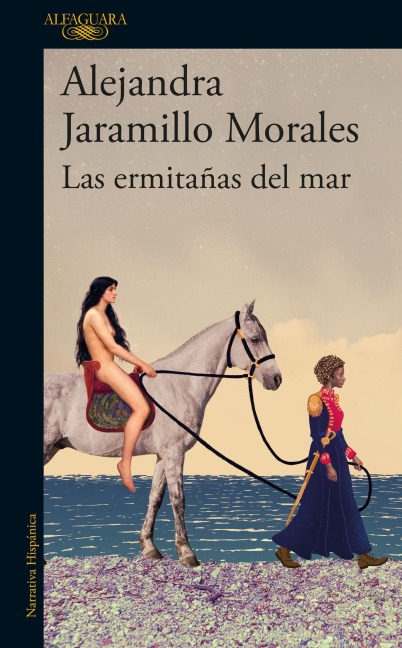
«Dirán que esa negra cómo va a saber, que la esclava no tiene mente, pero lo sé, lo oí, lo viví. Yo, la esclava, la espía, yo la de los pensamientos míos propios». Durante medio siglo, Jonatás acompañó de cerca a Manuela Sáenz. Primero como esclava y luego como mujer libre durante el exilio en Paita. Ahora, enferma de difteria y al borde de la muerte, recuerda la vida junto a ella. La asaltan escenas de los años en ese puerto peruano que las recibió tras el destierro y en donde, pobres y desposeídas, siguieron conspirando para influir en la política de América. Las escenas abren paso a memorias más antiguas: vienen la oscuridad de las barracas, los orichas de la abuela, la madre perdida. Vienen también las tertulias con las ilustradas, las campañas libertadoras y el amor difícil de la Coronela y Bolívar. Entre el vaivén de recuerdos se despliega el vínculo de Jonatás y Manuela: una compañía obstinada y leal, atravesada por el cuidado, la desigualdad, el amor y la bastardía. «En Las ermitañas del mar Alejandra Jaramillo deshace nudos y recorre vacíos insondables de la historia de la Gran Colombia a través de las voces de dos mujeres: la esclava y la libertadora, cuyo trasiego nos revela la faceta escondida de seres que hoy son inmortales». —Albalucía Ángel M. ENGLISH DESCRIPTION “They’ll say, ‘How could that black woman possibly know? A slave has no mind,’ but I know it, I heard it, I lived through it. I, the slave, the spy, I, the one with my own thoughts.” For half a century, Jonatás stayed close to Manuela Sáenz—first as a slave and then as a free woman during their exile in Paita. Now, sick with diphtheria and on the brink of death, she recalls her life with her. She is flooded with scenes from the years in that Peruvian port that welcomed them after their exile and where, poor and dispossessed, they continued to conspire to influence the politics of the Americas. These scenes give way to older memories: the darkness of the barracks, her grandmother’s orichas, her lost mother. Also coming to mind are the gatherings with the educated women, the liberation campaigns, and the difficult love between the Coronela and Bolívar. Amid the ebb and flow of memories, the bond between Jonatás and Manuela unfolds: a stubborn and loyal companionship, marked by care, inequality, love, and illegitimacy. “In The Hermits of the Sea, Alejandra Jaramillo untangles knots and explores the unfathomable voids of Gran Colombia’s history through the voices of two women: the slave and the liberator, whose journey reveals the hidden facets of beings who are now immortal.”—Albalucía Ángel M.
Alejandra Jaramillo Morales