Und dann auf "Zum Home-Bildschirm [+]".

Stöbern
genialokal zum Startbildschirm hinzufügen
Installieren Sie die genialokal App auf Ihrem Startbildschirm für einen schnellen Zugriff und eine komfortable Nutzung.
Installieren Sie die genialokal App auf Ihrem Startbildschirm für einen schnellen Zugriff und eine komfortable Nutzung.
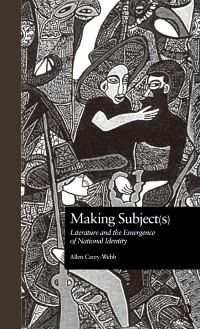
Considering a wide range of cultural materials and engaging in a close reading of literary texts, this book draws a compelling comparison between national identity in Europe and the Third World. The author explores historical periods of nation building in Europe (Early Modernism) and the postcolonial world (post-1945 decolonization) to demonstrate that intriguingly similar circumstances of imperial rule, linguistic diversity, and educational systemization facilitated the emergence of national consciousness in both European and non-European countries. By bringing the insights of postcolonial studies to classic canonical dramas of Shakespeare and Lope de Vega, the author describes the impact of New World colonial encounters on Spanish and English national formation and self-conception. This book is the first to investigate the rich intertextuality of El Nuevo Mundo (Spain, 1601) and The Tempest (England, 1611). Turning to Ousmane Sembene and Salman Rushdie-perhaps the two most important postcolonial writers-this study shows how their finest novels write back to the European tradition of Lope and Shakespeare and simultaneously represent the trend of postcolonial literature from assertive anticolonial nationalism to postmodern national critique. Tracing developments in the study of nationalism and literature from Louis Althusser and Benedict Anderson through Frederic Jameson, Homi Bhabha, and Partha Chatterjee, the book's introduction serves as a lucid guide to a central problem in contemporary cultural studies for the general reader or the specialized scholar. Juxtaposing Renaissance etchings, traditional African and Indian sculpture, 19th-century political cartoons, and intriguing works of contemporary art, Making Subject(s) is of unusual interest and visual appeal.
Carey-Webb, Allen
Chapter 1 Introduction; Part I Colonizing Nations and the Public Theater in Early Modern Spain and England; Chapter 2 Other-Fashioning; Chapter 3 Imagi/Native Nation; Part II Anticolonial Nationalism and the Postcolonial Novel; Chapter 4 Pedagogical and Performative Nationalism in Ousmane Sembène's Les bouts de bois de Dieu; Chapter 5 (Dis)Integrating Nation and Self; Chapter 6 Conclusion;
Dieses eBook wird im PDF-Format geliefert und ist mit einem Adobe Kopierschutz (DRM) versehen. Sie können dieses eBook mit allen Geräten lesen, die das PDF-Format und den Adobe Kopierschutz (DRM) unterstützen.
Zum Beispiel mit den folgenden Geräten:
• tolino Reader
Laden Sie das eBook direkt über den Reader-Shop auf dem tolino herunter oder übertragen Sie das eBook auf Ihren tolino mit einer kostenlosen Software wie beispielsweise Adobe Digital Editions.
• Sony Reader & andere eBook Reader
Laden Sie das eBook direkt über den Reader-Shop herunter oder übertragen Sie das eBook mit der kostenlosen Software Sony READER FOR PC/Mac oder Adobe Digital Editions auf ein Standard-Lesegeräte mit epub- und Adobe DRM-Unterstützung.
• Tablets & Smartphones
Möchten Sie dieses eBook auf Ihrem Smartphone oder Tablet lesen, finden Sie hier unsere kostenlose Lese-App für iPhone/iPad und Android Smartphone/Tablets.
• PC & Mac
Lesen Sie das eBook direkt nach dem Herunterladen mit einer kostenlosen Lesesoftware, beispielsweise Adobe Digital Editions, Sony READER FOR PC/Mac oder direkt über Ihre eBook-Bibliothek in Ihrem Konto unter „Meine eBooks“ - „online lesen“.
Schalten Sie das eBook mit Ihrer persönlichen Adobe ID auf bis zu sechs Geräten gleichzeitig frei.
Bitte beachten Sie, dass die Kindle-Geräte das Format nicht unterstützen und dieses eBook somit nicht auf Kindle-Geräten lesbar ist.