Und dann auf "Zum Home-Bildschirm [+]".

Stöbern
genialokal zum Startbildschirm hinzufügen
Installieren Sie die genialokal App auf Ihrem Startbildschirm für einen schnellen Zugriff und eine komfortable Nutzung.
Installieren Sie die genialokal App auf Ihrem Startbildschirm für einen schnellen Zugriff und eine komfortable Nutzung.
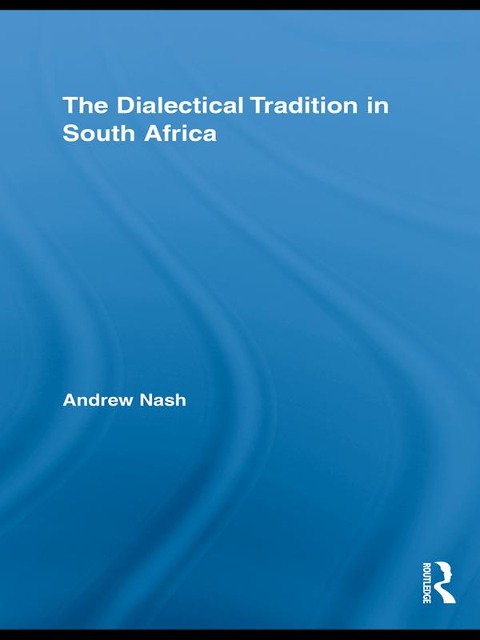
This book brings into view the most enduring and distinctive philosophical current in South African history-one often obscured or patronized as Afrikaner liberalism. It traces this current of thought from nineteenth-century disputes over Dutch liberal theology through Stellenbosch existentialism to the prison writings of Breyten Breytenbach, and examines related themes in the work of Olive Schreiner, M. K. Gandhi, and Richard Turner. At the core of this tradition is a defence of free speech in its classical sense, as a virtue necessary for a good society, rather than in its modern liberal sense as an individual right. Out of this defence of free speech, conducted in the face of charges of heresy, treason, and immorality, a range of philosophical conceptions developed-of the self constituted in dialogue with others, of freedom as transcendence of the given, and of a dialectical movement of consciousness as it is educated through debate and action. This study shows the Socratic commitment to "following the argument where it leads," sustained and developed in the storm and stress of a peculiar modernity.
Andrew Nash is associate professor of Political Studies at the University of Cape Town, South Africa.
Preface Introduction Chapter 1: Dutch Republicanism and the Dialectical Tradition Chapter 2: The Politics of Free Enquiry in Colonial South Africa Chapter 3: Wine Farming, Heresy Trials and the Stellenbosch Philosophical Tradition Chapter 4: How Kierkegaard Came to Stellenbosch Chapter 5: Johan Degenaar and the Politics of Oop Gesprek Chapter 6: Breyten Breytenbach as Dialectical Thinker Chapter 7: Marxism and Dialectic, from Sharpeville to the Negotiated Settlement Chapter 8: The New Politics of Afrikaans Notes Index
Dieses eBook wird im PDF-Format geliefert und ist mit einem Adobe Kopierschutz (DRM) versehen. Sie können dieses eBook mit allen Geräten lesen, die das PDF-Format und den Adobe Kopierschutz (DRM) unterstützen.
Zum Beispiel mit den folgenden Geräten:
• tolino Reader
Laden Sie das eBook direkt über den Reader-Shop auf dem tolino herunter oder übertragen Sie das eBook auf Ihren tolino mit einer kostenlosen Software wie beispielsweise Adobe Digital Editions.
• Sony Reader & andere eBook Reader
Laden Sie das eBook direkt über den Reader-Shop herunter oder übertragen Sie das eBook mit der kostenlosen Software Sony READER FOR PC/Mac oder Adobe Digital Editions auf ein Standard-Lesegeräte mit epub- und Adobe DRM-Unterstützung.
• Tablets & Smartphones
Möchten Sie dieses eBook auf Ihrem Smartphone oder Tablet lesen, finden Sie hier unsere kostenlose Lese-App für iPhone/iPad und Android Smartphone/Tablets.
• PC & Mac
Lesen Sie das eBook direkt nach dem Herunterladen mit einer kostenlosen Lesesoftware, beispielsweise Adobe Digital Editions, Sony READER FOR PC/Mac oder direkt über Ihre eBook-Bibliothek in Ihrem Konto unter „Meine eBooks“ - „online lesen“.
Schalten Sie das eBook mit Ihrer persönlichen Adobe ID auf bis zu sechs Geräten gleichzeitig frei.
Bitte beachten Sie, dass die Kindle-Geräte das Format nicht unterstützen und dieses eBook somit nicht auf Kindle-Geräten lesbar ist.