
Stöbern
genialokal zum Startbildschirm hinzufügen
Installieren Sie die genialokal App auf Ihrem Startbildschirm für einen schnellen Zugriff und eine komfortable Nutzung.
Installieren Sie die genialokal App auf Ihrem Startbildschirm für einen schnellen Zugriff und eine komfortable Nutzung.
Tippen Sie einfach auf Teilen:
 Und dann auf "Zum Home-Bildschirm [+]".
Ihr gewünschter Artikel ist in 0 Buchhandlungen vorrätig - wählen Sie hier eine Buchhandlung in Ihrer Nähe aus:

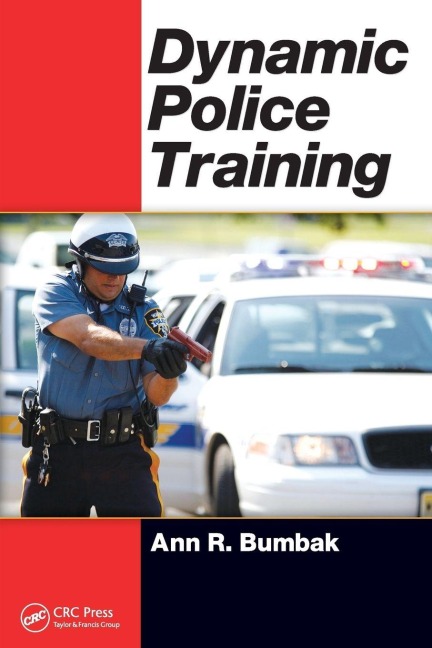
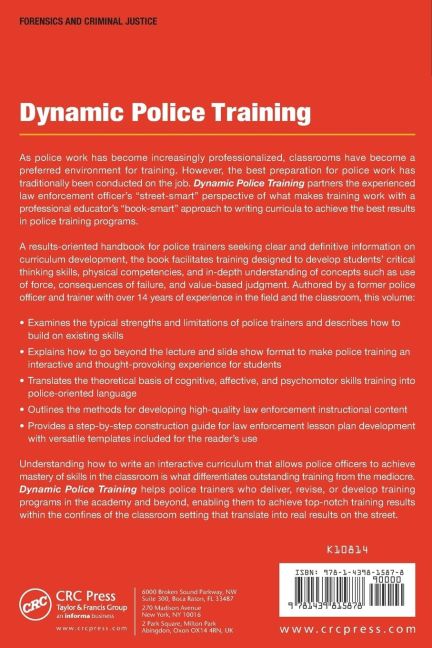
While the best preparation for police work has traditionally been conducted on the job, classrooms have become a preferred environment for training. This volume partners the experienced law enforcement officer's "street-smart" perspective of what makes training work with a professional educator's "book-smart" approach to developing curriculum that achieves the best results. The book explains how to go beyond the lecture and slide show format to make police training more interactive and translates the theoretical basis of cognitive, affective, and psychomotor skills training into police-oriented language.
Ann R. Bumbak
Preface, Acknowledgments, Author Biography, 1 The Current State of Police Training Programs, 2 Historical Perspectives on Police Training, 3 Four Steps to Initiating Change in Instructional Programs, 4 Addressing Adult Learning Styles, 5 Law Enforcement Curriculum Development Overview, 6 Six Levels of Understanding: Police Cognitive Skills Training, 7 Five Levels of Internal Change: Police Affective Skills Training, 8 Five Levels of Ability: Police Psychomotor Skills Training, 9 Basic Instructional Methodology for Law Enforcement Training, 10 Intermediate Instructional Techniques, 11 Construction of Law Enforcement Lesson Plans: Preliminary Development, 12 Developing Quality Content, 13 Enhancing Instruction: Approaches to Ancillary Development, 14 Current and Future Trends in Police Training, 15 Conclusion, Appendix, Selected Bibliography, Index