Und dann auf "Zum Home-Bildschirm [+]".

Stöbern
genialokal zum Startbildschirm hinzufügen
Installieren Sie die genialokal App auf Ihrem Startbildschirm für einen schnellen Zugriff und eine komfortable Nutzung.
Installieren Sie die genialokal App auf Ihrem Startbildschirm für einen schnellen Zugriff und eine komfortable Nutzung.

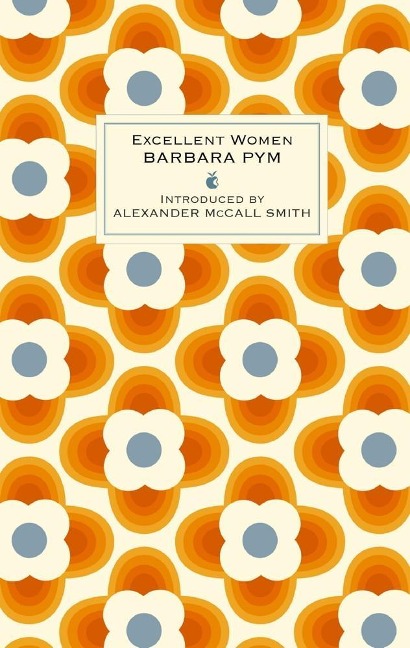

'One of the most endearingly amusing English novels of the twentieth century' Alexander McCall Smith Mildred Lathbury is one of those 'excellent women' who is often taken for granted. She is a godsend, 'capable of dealing with most of the stock situations of life - birth, marriage, death, the successful jumble sales, the garden fete spoilt by bad weather'. As such, she often gets herself embroiled in other people's lives - especially those of her glamorous new neighbours, the Napiers, whose marriage seems to be on the rocks. One cannot take sides in these matters, though it is tricky, especially as Mildred, teetering on the edge of spinsterhood, has a soft spot for dashing young Rockingham Napier. This is Barbara Pym's world at its funniest and most touching. 'I pick up her books with joy, as though I were meeting an old, dear friend who comforts me, extends my vision and makes me roar with laughter' Jilly Cooper
Barbara Pym (1913-1980) was born in Oswestry, Shropshire. She was educated at Huyton College, Liverpool, and St Hilda's College, Oxford, where she gained an Honours Degree in English Language and Literature. From 1958-1974, she worked as an editorial secretary at the International African Institute. Her first novel, Some Tame Gazelle, was published in 1950, and was followed by Excellent Women (1952), Jane and Prudence (1953), Less than Angels (1955), A Glass of Blessings (1958) and No Fond Return of Love (1961). During the sixties and early seventies her writing suffered a partial eclipse and, discouraged, she concentrated on her work for the Institute, from which she retired in 1974 to live in Oxfordshire. A renaissance in her fortunes came in 1977, when both Philip Larkin and Lord David Cecil chose her as one of the most underrated novelists of the century. With astonishing speed, she emerged, after sixteen years of obscurity, to almost instant fame and recognition. Quartet in Autumn was published in 1977 and was shortlisted for the Booker Prize. The Sweet Dove Died followed in 1978, and A Few Green Leaves was published posthumously. Barbara Pym died in January 1980.