
Stöbern
genialokal zum Startbildschirm hinzufügen
Installieren Sie die genialokal App auf Ihrem Startbildschirm für einen schnellen Zugriff und eine komfortable Nutzung.
Installieren Sie die genialokal App auf Ihrem Startbildschirm für einen schnellen Zugriff und eine komfortable Nutzung.
Tippen Sie einfach auf Teilen:
 Und dann auf "Zum Home-Bildschirm [+]".
Ihr gewünschter Artikel ist in 0 Buchhandlungen vorrätig - wählen Sie hier eine Buchhandlung in Ihrer Nähe aus:
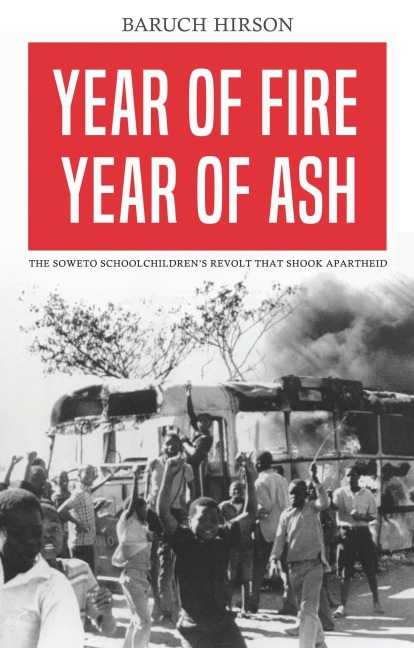
'We can say without fear of being contradicted by history, that June 16, 1976 heralded the beginning of the end of the centuries-old white rule in this country.' Nelson Mandela Originally banned on publication by the apartheid government, Year of Fire, Year of Ash is an eye-opening account of how, in June 1976, 20,000 school students faced down the tanks and guns of a vicious racist regime, in a revolt that galvanized the black working-class and became a pivotal turning point for the anti-apartheid movement. More than this, the book overturns much of the conventional logic that served to explain the event at the time, showing it was not simply a student protest, but part of a wider uprising. Released in this new edition to mark the fortieth anniversary, Year of Fire, Year of Ash provides an unparalleled insight into the origins and events of the uprising, from its antecedents in the 1920s to its role in inspiring global solidarity against apartheid. As South Africa experiences a new wave of popular discontent, and as new forms of black consciousness come to the fore in movements around the world, Baruch Hirson's book provides a timely reminder of the Soweto revolt's continued significance to struggles against oppression today.
Baruch Hirson (1921-1999) was a lifelong activist who spent nine-and-a-half years in South African prisons as a result of his opposition to the apartheid regime. Following his release in 1973 he left for England, where he lectured in history at several universities and produced eight finely written, passionately argued books on the history of the left in South Africa. These include Year of Fire, Year of Ash (1984), The Cape Town Intellectuals (2000) and his autobiography, Revolutions in My Life (1995). He also founded the controversial critical journal Searchlight South Africa.
Foreword by Shula Marks Nineteen Seventy-Six by Oupa Thando Mthimkulu Introduction PART I: From School Strikes to Black Consciousness 1. The Black Schools: 1799-1954 2. Bantu Education: 1954-1976 3. The University Student Movements: 1960-1969 4. Black Consciousness Politics: 1970-1974 5. Secondary Schools and the African School Movement 6. The Black Consciousness Movement: Ideology and Action PART II: Workers and Students on the Road to Revolt 7. Black Workers Set the Pace 8. The Strike Wave Spreads 9. State Repression and Political Revival: 1974-1976 10. The Soweto Revolt: June 1976 11. The Revolt Takes Shape 12. The Cape Province Explodes 13. New Tactics in the Revolt 14. The Revolt Winds Down PART III: Black Consciousness and the Struggle in S. Africa 15. Anatomy of the Revolt 16. Black Consciousness in South African History