
Stöbern
genialokal zum Startbildschirm hinzufügen
Installieren Sie die genialokal App auf Ihrem Startbildschirm für einen schnellen Zugriff und eine komfortable Nutzung.
Installieren Sie die genialokal App auf Ihrem Startbildschirm für einen schnellen Zugriff und eine komfortable Nutzung.
Tippen Sie einfach auf Teilen:
 Und dann auf "Zum Home-Bildschirm [+]".
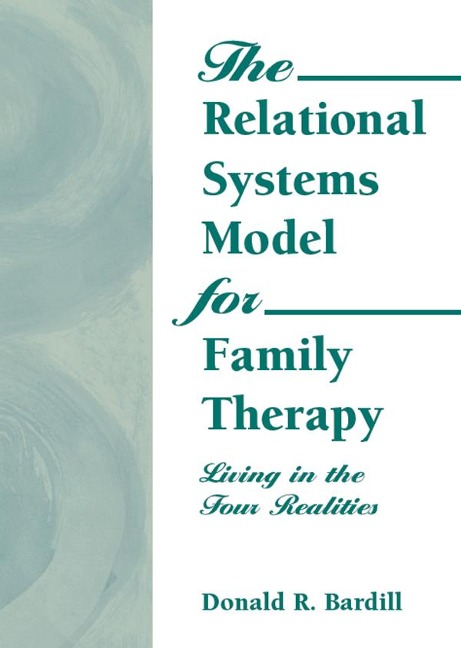
The Relational Systems Model for Family Therapy presents a multi-systems approach to family therapy that teaches the therapist important self-differentiating capacities that set the tone for creating a powerful therapeutic atmosphere. While the model demands no specific treatment procedures, it does rely on the therapist's capacity to adhere to its basic ideas, as she/he is the most vital factor in the model's success.In The Relational Systems Model for Family Therapy, Author Donald R. Bardill encourages the therapist to be the learning vehicle for the integration of the four realities of life (self, other, context, spiritual) and the differentiating process that is necessary for human survival, safety, and growth. Understanding this model allows therapists to lead clients to heightened self-awareness and the realization of their human potential--both important factors for intellectual growth, emotional maturity, and problem solving. To this end, readers learn about: - the self-differentiating therapist--the person-of-the-therapist is the crucial variable in an effective family treatment process - the facing process--the client faces such issues as self-identity, life-purpose, thought and behavior patterns, emotionalized fears, and the future - emotionalized right/wrong--focus is on consequences of actions rather than right/wrong judgments in relationship issues - life stances--the uniqueness of the individual affects their connection to the life realities - family grid--a way for the therapist to organize and talk about important family systems dynamics - the therapeutic paradox--the client's worldview is examined through the therapist's worldview and a new worldview is formedThe Relational Systems Model for Family Therapy is an important handbook for practitioners and students in the fields of clinical social work, psychology, marriage and family therapy, mental health counseling, counseling psychology, pastoral counseling, and psychiatric nursing. The book is also useful as a supplemental text for advanced undergraduate classes and postgraduate seminars in family therapy and family counseling. The self-differentiation nature of the content also lends this book useful to self-help readers.
Carlton Munson, D Ray Bardill
Contents The Relational Systems Model - The Realities: Self, Other, Context, and Spiritual - Necessary But Not Sufficient Considerations: Part One - Necessary But Not Sufficient Considerations: Part Two - Life Stances - The Interpersonal - Context: The Family--An Emotional System - Context: The Family--A Social System - Context: The Transgenerational Family - Context: Family Developmental Stages - Putting It Together: The Treatment Process - Appendix. Stance Tendency Exercise Packet - Bibliography - Index
Dieses eBook wird im PDF-Format geliefert und ist mit einem Adobe Kopierschutz (DRM) versehen. Sie können dieses eBook mit allen Geräten lesen, die das PDF-Format und den Adobe Kopierschutz (DRM) unterstützen.
Zum Beispiel mit den folgenden Geräten:
• tolino Reader
Laden Sie das eBook direkt über den Reader-Shop auf dem tolino herunter oder übertragen Sie das eBook auf Ihren tolino mit einer kostenlosen Software wie beispielsweise Adobe Digital Editions.
• Sony Reader & andere eBook Reader
Laden Sie das eBook direkt über den Reader-Shop herunter oder übertragen Sie das eBook mit der kostenlosen Software Sony READER FOR PC/Mac oder Adobe Digital Editions auf ein Standard-Lesegeräte mit epub- und Adobe DRM-Unterstützung.
• Tablets & Smartphones
Möchten Sie dieses eBook auf Ihrem Smartphone oder Tablet lesen, finden Sie hier unsere kostenlose Lese-App für iPhone/iPad und Android Smartphone/Tablets.
• PC & Mac
Lesen Sie das eBook direkt nach dem Herunterladen mit einer kostenlosen Lesesoftware, beispielsweise Adobe Digital Editions, Sony READER FOR PC/Mac oder direkt über Ihre eBook-Bibliothek in Ihrem Konto unter „Meine eBooks“ - „online lesen“.
Schalten Sie das eBook mit Ihrer persönlichen Adobe ID auf bis zu sechs Geräten gleichzeitig frei.
Bitte beachten Sie, dass die Kindle-Geräte das Format nicht unterstützen und dieses eBook somit nicht auf Kindle-Geräten lesbar ist.