Und dann auf "Zum Home-Bildschirm [+]".

Stöbern
genialokal zum Startbildschirm hinzufügen
Installieren Sie die genialokal App auf Ihrem Startbildschirm für einen schnellen Zugriff und eine komfortable Nutzung.
Installieren Sie die genialokal App auf Ihrem Startbildschirm für einen schnellen Zugriff und eine komfortable Nutzung.
Ihr gewünschter Artikel ist in 0 Buchhandlungen vorrätig - wählen Sie hier eine Buchhandlung in Ihrer Nähe aus:

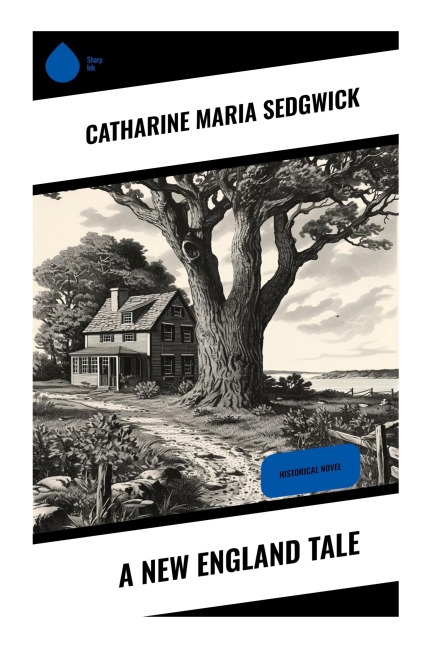
Catharine Maria Sedgwick's A New England Tale (1822) follows the trials of Jane Elton, an orphaned young woman whose moral independence is tested by family coercion, social expectation, and the severe pieties of provincial Calvinism. Written in a clear, didactic, yet emotionally supple style, the novel belongs to the early American domestic tradition while also anticipating later reformist fiction. Its interest lies not merely in courtship or sentiment, but in its critique of religious hypocrisy and its defense of practical benevolence, female education, and inward conscience. Sedgwick, born into a prominent Massachusetts family, was deeply shaped by New England intellectual culture, Unitarian religious currents, and the republican ideals of the early United States. Her own movement away from inherited Calvinist orthodoxy informs the novel's sharp distinction between punitive doctrine and humane Christianity. As one of the first major American women novelists, she helped define a national literature attentive to women's moral agency. This book is recommended to readers interested in early American fiction, women's writing, religious history, and the origins of the domestic novel. A New England Tale remains valuable as both a compelling narrative of female resilience and a sophisticated intervention in the moral debates of its age.