Und dann auf "Zum Home-Bildschirm [+]".

Stöbern
genialokal zum Startbildschirm hinzufügen
Installieren Sie die genialokal App auf Ihrem Startbildschirm für einen schnellen Zugriff und eine komfortable Nutzung.
Installieren Sie die genialokal App auf Ihrem Startbildschirm für einen schnellen Zugriff und eine komfortable Nutzung.
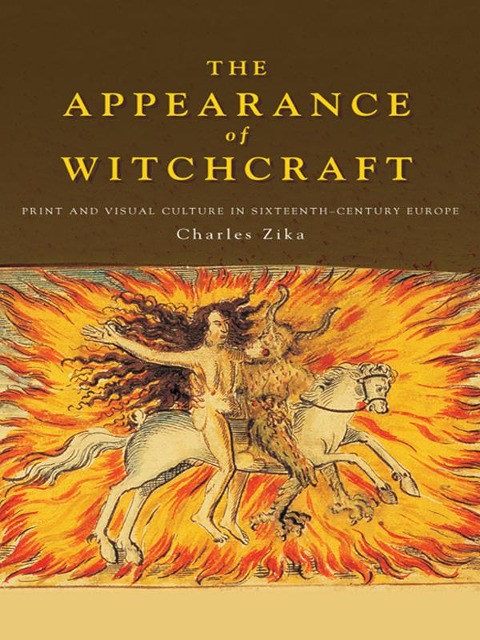
Shortlisted for the 2008 Katharine Briggs Award. For centuries the witch has been a powerful figure in the European imagination; but the creation of this figure has been hidden from our view. Charles Zika's groundbreaking study investigates how the visual image of the witch was created in late fifteenth- and sixteenth-century Europe. He charts the development of the witch as a new visual subject, showing how the traditional imagery of magic and sorcery of medieval Europe was transformed into the sensationalist depictions of witches in the pamphlets and prints of the sixteenth century. This book shows how artists and printers across the period developed key visual codes for witchcraft, such as the cauldron and the riding of animals. It demonstrates how influential these were in creating a new iconography for representing witchcraft incorporating themes such as the power of female sexuality, male fantasy, moral reform, divine providence and punishment, the superstitions of non-Christian peoples and the cannibalism of the new world. Lavishly illustrated and encompassing in its approach, The Appearance of Witchcraft is the first systematic study of the visual representation of witchcraft in the later fifteenth and sixteenth centuries. It will give the reader a unique insight into how the image of the witch evolved in the early modern world.
Charles Zika is Professor of History at the University of Melbourne. He researches the cultural and religious history of late medieval and early modern Europe. Among his publications are Exorcising our Demons: magic, witchcraft and visual culture in early modern Europe (2003).
Introduction Chapter 1. Fashioning a New Visual Language for Witchcraft Chapter 2. The Transformation of Sorcery and Magic in the Fifteenth Century Chapter 3. Witches' Cauldrons and Women's Bodies Chapter 4. Wild Riders, Popular Folklore and Moral Disorder Chapter 5. Transformation, Death and Sexuality in the Classical World Chapter 6. A Biblical Necromancer and Two Christian Saints Chapter 7. Reporting the News and Reading the Signs Chapter 8. On the Margins of Christian Europe
Dieses eBook wird im PDF-Format geliefert und ist mit einem Adobe Kopierschutz (DRM) versehen. Sie können dieses eBook mit allen Geräten lesen, die das PDF-Format und den Adobe Kopierschutz (DRM) unterstützen.
Zum Beispiel mit den folgenden Geräten:
• tolino Reader
Laden Sie das eBook direkt über den Reader-Shop auf dem tolino herunter oder übertragen Sie das eBook auf Ihren tolino mit einer kostenlosen Software wie beispielsweise Adobe Digital Editions.
• Sony Reader & andere eBook Reader
Laden Sie das eBook direkt über den Reader-Shop herunter oder übertragen Sie das eBook mit der kostenlosen Software Sony READER FOR PC/Mac oder Adobe Digital Editions auf ein Standard-Lesegeräte mit epub- und Adobe DRM-Unterstützung.
• Tablets & Smartphones
Möchten Sie dieses eBook auf Ihrem Smartphone oder Tablet lesen, finden Sie hier unsere kostenlose Lese-App für iPhone/iPad und Android Smartphone/Tablets.
• PC & Mac
Lesen Sie das eBook direkt nach dem Herunterladen mit einer kostenlosen Lesesoftware, beispielsweise Adobe Digital Editions, Sony READER FOR PC/Mac oder direkt über Ihre eBook-Bibliothek in Ihrem Konto unter „Meine eBooks“ - „online lesen“.
Schalten Sie das eBook mit Ihrer persönlichen Adobe ID auf bis zu sechs Geräten gleichzeitig frei.
Bitte beachten Sie, dass die Kindle-Geräte das Format nicht unterstützen und dieses eBook somit nicht auf Kindle-Geräten lesbar ist.