
Stöbern
genialokal zum Startbildschirm hinzufügen
Installieren Sie die genialokal App auf Ihrem Startbildschirm für einen schnellen Zugriff und eine komfortable Nutzung.
Installieren Sie die genialokal App auf Ihrem Startbildschirm für einen schnellen Zugriff und eine komfortable Nutzung.
Tippen Sie einfach auf Teilen:
 Und dann auf "Zum Home-Bildschirm [+]".
Ihr gewünschter Artikel ist in 0 Buchhandlungen vorrätig - wählen Sie hier eine Buchhandlung in Ihrer Nähe aus:

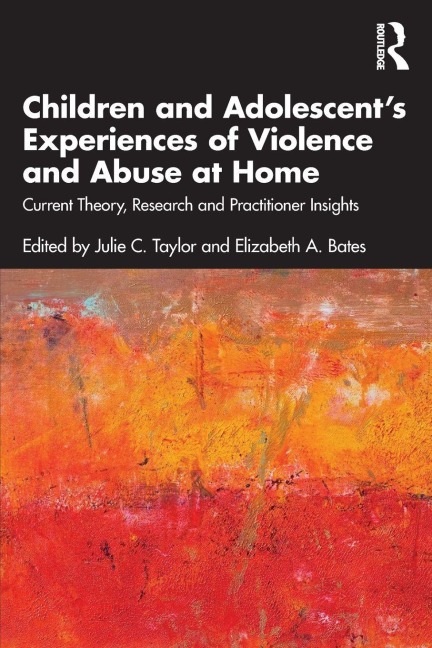
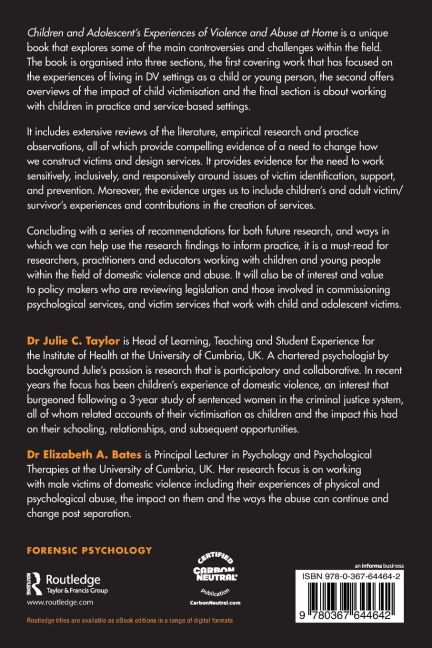
The book is organised into three sections, the first covering work that has focused on the experiences of living in DV settings as a child or young person, the second offers overviews of the impact of child victimisation and the final section is about working with children in practice and service-based settings.
Dr Julie C. Taylor is Head of Learning, Teaching and Student Experience for the Institute of Health at the University of Cumbria. A chartered psychologist by background Julie's passion is research that is participatory and collaborative. In recent years the focus has been children's experience of domestic violence, an interest that burgeoned following a 3-year study of sentenced women in the criminal justice system, all of whom related accounts of their victimisation as children and the impact this had on their schooling, relationships, and subsequent opportunities. Dr Elizabeth A. Bates is Principal Lecturer in Psychology and Psychological Therapies at the University of Cumbria, UK. Her research focus is on working with male victims of domestic violence including their experiences of physical and psychological abuse, the impact on them, and the ways the abuse can continue and change post separation.
0. Introduction. Part I. Children and Young people's experiences of DVA. 1. Children's experiences of domestic violence and abuse: Resistances and paradoxical resiliencies. 2. The impact of exposure to domestic violence in childhood: What can reviews of the literature tell us about sex-differences? 3. Growing up with domestic abuse: retrospective accounts. 4. A European perspective on children and adolescents who experience domestic violence and abuse. 5. Children's exposure to domestic violence in rural Pakistani societies. Part II. The impact of DVA on children. 6. The impact of domestic violence and abuse on children and young people: Internalising symptoms and mental health. 7. The self-regulation capacities of young people exposed to violence. 8. School experiences of children experiencing domestic violence. 9. Barriers to help-seeking from the victim/survivor perspective. 10. The journey towards recovery: Adults reflections on their learning and recovery from experiencing childhood domestic abuse. Part III. Insights from Practice. 11. Negotiating power, ethics, and agency: Working towards centralising children's voices in the DVA intervention evidence-base. 12. How children talk about domestic abuse in the home: insights for practitioners. 13. Psychological sequelae of witnessing intra-parental violence on children's development as individuals and (future) partners. 14. Responding to the mental health needs of children who experience domestic violence. 15. Mind the blind spot: Accounts of fathering by domestically violent men. 16. Wellbeing Development for Young people who have experienced violence and abuse. 17. Conclusion.