Und dann auf "Zum Home-Bildschirm [+]".

Stöbern
genialokal zum Startbildschirm hinzufügen
Installieren Sie die genialokal App auf Ihrem Startbildschirm für einen schnellen Zugriff und eine komfortable Nutzung.
Installieren Sie die genialokal App auf Ihrem Startbildschirm für einen schnellen Zugriff und eine komfortable Nutzung.
Ihr gewünschter Artikel ist in 0 Buchhandlungen vorrätig - wählen Sie hier eine Buchhandlung in Ihrer Nähe aus:

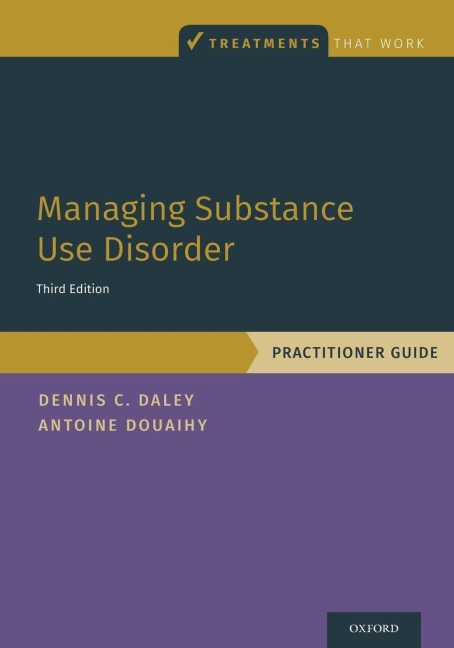
The third edition of Managing Substance Use Disorder provides an evidence-based treatment protocol for all types of substance use disorders. Designed to accompany the Managing Your Substance Use Disorder: Workbook, this guide provides clinicians with valuable strategies for working with substance use disorders by focusing on specific issues involved in both stopping substance abuse and changing behaviors or lifestyle aspects that contribute to continued substance abuse.
Dennis C. Daley, PhD, is Senior Clinical Director of Substance Use Services in the Behavioral Health Integration Division at the University of Pittsburgh Medical Center Insurance Division. He is also a Professor of Psychiatry at the University of Pittsburgh School of Medicine. Dr. Daley has been involved in clinical care, research, and teaching about addiction for nearly 40 years, and has been an investigator, consultant and trainer on numerous local and national studies funded by NIDA or NIAAA. One of the first experts in the US to publish interactive workbooks on recovery from addiction or co-occurring psychiatric disorders, Dr. Daley has advocated for decades for recovery for individuals and families affected by addiction, or co-occurring disorders. He also shares personal experiences dealing with addiction in his own family. Antoine Douaihy, MD, is Professor of Psychiatry and Medicine, Senior Academic Director of Addiction Medicine Services and Addiction Psychiatry Fellowship at Western Psychiatric Hospital of the University of Pittsburgh Medical Center (UPMC), and Co-Director of the Tobacco Treatment Service of UPMC. His areas of clinical and research expertise are substance use disorders (SUDs) and SUDs co-occurring with psychiatric disorders in adults and adolescents, psychosocial interventions for the treatment of SUDs, smoking cessation, psychology of behavior change, and motivational interviewing. His research has been funded by NIAAA, NIDA, NIMH, SAMHSA, HRSA, and pharmaceutical companies.
- Overview of Substance Use Problems and Assessment - Chapter 1 - Introductory Information for Practitioners - - Chapter 2 - Understanding Substance Use Problems - - Chapter 3 - Screening, Assessment, and Diagnosis - - Treatment Settings and Approaches - Chapter 4 - Treatment Settings for Substance Use Problems - - Chapter 5 - Psychosocial Therapies for Substance Use Disorders - - Chapter 6 - Medications for Substance Use Disorders - - Change Issues and Strategies - Chapter 7 - Stages of Change and Using Therapy or Counseling - - Chapter 8 - Goal Planning in Recovery - - Chapter 9 - Managing Cravings and Urges to Use Substances - - Chapter 10 - Managing Thoughts of Using Substances - - Chapter 11 - Managing Emotions - Chapter 12 - Refusing Offers to Use Substances - - Chapter 13 - Dealing With Family and Interpersonal Problems - - Chapter 14 - Building a Recovery Support System - Chapter 15 - Mutual Support Programs and Recovery Clubs - - Assessing and Treating Co-occurring Psychiatric Disorders - Chapter 16 - Assessment of Co-occurring Psychiatric Disorders - Chapter 17 - Treatment of Co-occurring Psychiatric Disorders - - Relapse Prevention and Progress Measurement - Chapter 18 - Reducing the Risk of Relapse - - Chapter 19 - Relapse Management - - Chapter 20 - Strategies for Balanced Living - - Chapter 21 - Measuring Progress - - Appendix - References and Suggested Readings - About the Authors