Und dann auf "Zum Home-Bildschirm [+]".

Stöbern
genialokal zum Startbildschirm hinzufügen
Installieren Sie die genialokal App auf Ihrem Startbildschirm für einen schnellen Zugriff und eine komfortable Nutzung.
Installieren Sie die genialokal App auf Ihrem Startbildschirm für einen schnellen Zugriff und eine komfortable Nutzung.
Ihr gewünschter Artikel ist in 0 Buchhandlungen vorrätig - wählen Sie hier eine Buchhandlung in Ihrer Nähe aus:

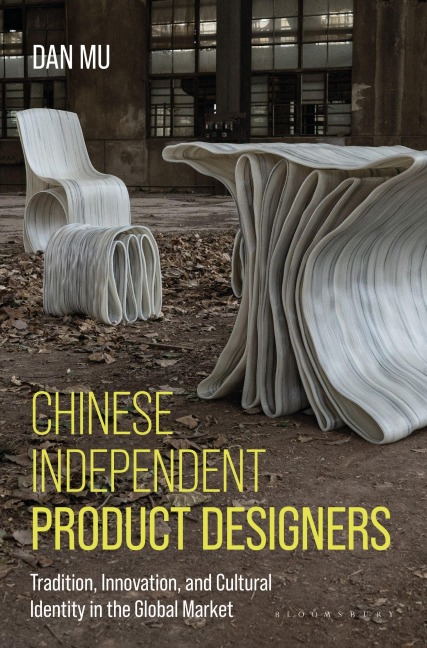
Exploring the complex relationship between Chinese identity and product design, this volume focuses on designers navigating the intersections of tradition, globalization, and modernity. Dan Mu examines the work of various furniture and lighting designers running independent studios in China. From Mario Tsai's Mazha lamp and Mona He's shadow puppet lighting, to Frank Chou's sofa and armchair collaboration with Louis Vuitton and Sing Chan's 'Borderlands' coffee table, the case studies reveal key tensions shaping Chinese design today. Mu highlights the dominance of Western paradigms, the struggle to redefine 'Chineseness' beyond stereotypes and the challenges of establishing a cohesive national design narrative. She examines the pressures designers face, confronted by industrialization, cultural hybridization, and limited policy support, as they strive to counter negative perceptions of the 'Made in China' label while addressing the pervasive Shanzhai (imitation goods) landscape. Their experiences shed light on the contradictions inherent in China's identity: the state's role as the world's largest manufacturer coexists with an emerging design scene pushing for cultural and creative recognition on the global stage. Rich with first-hand insights, this book reveals how award-winning designers working across craft and sustainable design practices challenge traditional narratives while embracing fluid, interconnected perspectives that bridge East and West.
Dan Mu is a Teaching Assistant and PhD researcher at the University of Edinburgh, UK and Ambassador of the Design History Society.
List of Figures Acknowledgements Abbreviations Introduction: Chinese Independent Product Designers Chapter 1. Designers' Perceptions of Chinese Identity and Cultural Symbols Chapter 2. Finding Chineseness in the Interaction between China and the West Chapter 3. Manufacturing Scenarios Faced by Chinese Designers Chapter 4. Shanzhai (??, fake) and Independent Design Chapter 5. Promotion Strategy: Designers' Identity at the Design Fairs and Exhibitions Conclusion: Future of Chinese Design References Appendix Index