
Stöbern
genialokal zum Startbildschirm hinzufügen
Installieren Sie die genialokal App auf Ihrem Startbildschirm für einen schnellen Zugriff und eine komfortable Nutzung.
Installieren Sie die genialokal App auf Ihrem Startbildschirm für einen schnellen Zugriff und eine komfortable Nutzung.
Tippen Sie einfach auf Teilen:
 Und dann auf "Zum Home-Bildschirm [+]".
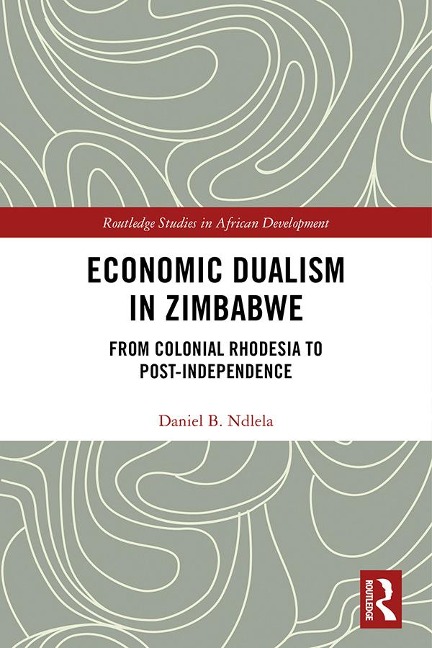
This book identifies the root causes of income inequality in underdeveloped economies and proposes new solutions for structural reform in economies that have long neglected and exploited working people. It focuses on the case of Zimbabwe, a classic example of an African post-colonial state continuing with dualistic economic structures while simultaneously laying the blame for the initiation of this form of underdevelopment with colonialism. The book explores the colonial roots of economic dualism, in which traditional sectors run alongside newer forms of wage employment, and suggests ways for Zimbabwe to move beyond the ingrained inequalities and asymmetries in production and organisation that it generates. Using a combination of theoretical and empirical approaches, Economic Dualism in Zimbabwe demonstrates how economic dualism can be eliminated through structural transformation of the traditional agricultural sector and reallocation of labour across sectors. The author comprehensively discusses the origins of dualism in Zimbabwe, how it developed in land, labour, credit and financial markets, who stands to gain and lose from it, and ultimately what reforms are needed to eliminate dualism from the economic system. The book aims to complement efforts made by both North and South to transform this structurally embedded cause of underdevelopment and seeks to motivate change in the collective development agenda mindset. This book will be of interest to graduate-level students, scholars, researchers and policy practitioners in the fields of Development Studies, Economics, Agricultural Policy, Labour Policy, Economic Planning and African Studies.
Daniel B. Ndlela is a Lead Researcher and Team Leader with Zimconsult, Zimbabwe, formerly taught economics at the University of Zimbabwe, and was Senior Regional Adviser on economic co-operation and integration for the United Nations Economic Commission for Africa (UNECA).
1. Introduction 2. The Origins of Dualism in Zimbabwe 3. Land Tenure and Economic Dualism 4. Dualism in Agricultural Credit and Produce Markets 5. Economic Dualism in the Labour Market 6. The Theory of Economic Dualism 7. Dualism Theory Revisited 8. The Consequences of Economic Dualism 9. Destroying Dualism 10. Conclusions
Dieses eBook wird im PDF-Format geliefert und ist mit einem Adobe Kopierschutz (DRM) versehen. Sie können dieses eBook mit allen Geräten lesen, die das PDF-Format und den Adobe Kopierschutz (DRM) unterstützen.
Zum Beispiel mit den folgenden Geräten:
• tolino Reader
Laden Sie das eBook direkt über den Reader-Shop auf dem tolino herunter oder übertragen Sie das eBook auf Ihren tolino mit einer kostenlosen Software wie beispielsweise Adobe Digital Editions.
• Sony Reader & andere eBook Reader
Laden Sie das eBook direkt über den Reader-Shop herunter oder übertragen Sie das eBook mit der kostenlosen Software Sony READER FOR PC/Mac oder Adobe Digital Editions auf ein Standard-Lesegeräte mit epub- und Adobe DRM-Unterstützung.
• Tablets & Smartphones
Möchten Sie dieses eBook auf Ihrem Smartphone oder Tablet lesen, finden Sie hier unsere kostenlose Lese-App für iPhone/iPad und Android Smartphone/Tablets.
• PC & Mac
Lesen Sie das eBook direkt nach dem Herunterladen mit einer kostenlosen Lesesoftware, beispielsweise Adobe Digital Editions, Sony READER FOR PC/Mac oder direkt über Ihre eBook-Bibliothek in Ihrem Konto unter „Meine eBooks“ - „online lesen“.
Schalten Sie das eBook mit Ihrer persönlichen Adobe ID auf bis zu sechs Geräten gleichzeitig frei.
Bitte beachten Sie, dass die Kindle-Geräte das Format nicht unterstützen und dieses eBook somit nicht auf Kindle-Geräten lesbar ist.