Und dann auf "Zum Home-Bildschirm [+]".

Stöbern
genialokal zum Startbildschirm hinzufügen
Installieren Sie die genialokal App auf Ihrem Startbildschirm für einen schnellen Zugriff und eine komfortable Nutzung.
Installieren Sie die genialokal App auf Ihrem Startbildschirm für einen schnellen Zugriff und eine komfortable Nutzung.

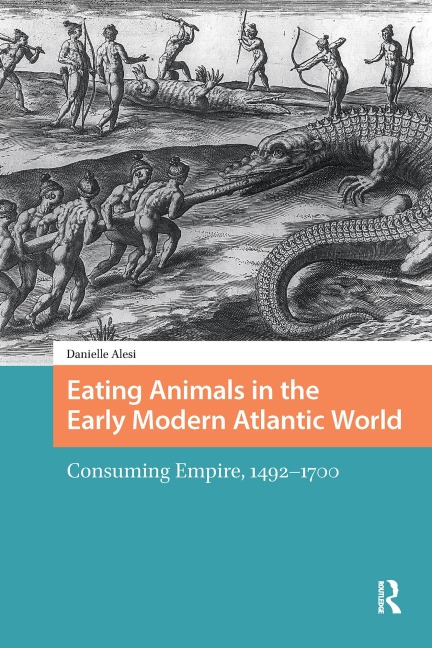
This book examines how the perceived edibility of animals evolved during the colonization of the Americas. Early European colonizers ate a variety of animals in the Americas, motivated by factors like curiosity, starvation, and diplomacy. As settlements increased and became more sustainable, constructs of edibility shifted and the colonial food system evolved accordingly. By exploring the changes in animal edibility identifiable in early modern Spanish, French, and English sources in the regions of Mesoamerica, Greater Amazonia, and the east coast of North America, this book shows that animals, foodways, and settler colonialism are inextricably linked and that the colonization of the Americas was not only the beginning of new empires, but also of a long-lasting colonial food culture that drives both food systems and human-animal relationships to the present day.
Danielle Alesi is an Assistant Professor of History at Nazareth University in Rochester, NY. She teaches and publishes on medieval and early modern colonialism, environmentalism, animal, and food history in Europe and the Atlantic World.
Acknowledgments, Introduction: The Best Kinds of Meat That I Have Eaten in America, Chapter 1: Tastes Like Chicken: Fashioning an Appetite for the Americas, Chapter 2: To Satisfy Cruel Hunger: Edibility and Starvation in the Animal Typology, Chapter 3: Revenge Eating: Animal Executions and Performative Eating, Chapter 4: For It Is Not Edible: The New Colonial Food System as a Form of Colonization, Chapter 5: Consuming Empire: Commodifying the Animal and the Americas in the Colonization Narrative, Conclusion: Dirty Animals, Index