Und dann auf "Zum Home-Bildschirm [+]".

Stöbern
genialokal zum Startbildschirm hinzufügen
Installieren Sie die genialokal App auf Ihrem Startbildschirm für einen schnellen Zugriff und eine komfortable Nutzung.
Installieren Sie die genialokal App auf Ihrem Startbildschirm für einen schnellen Zugriff und eine komfortable Nutzung.
Ihr gewünschter Artikel ist in 0 Buchhandlungen vorrätig - wählen Sie hier eine Buchhandlung in Ihrer Nähe aus:

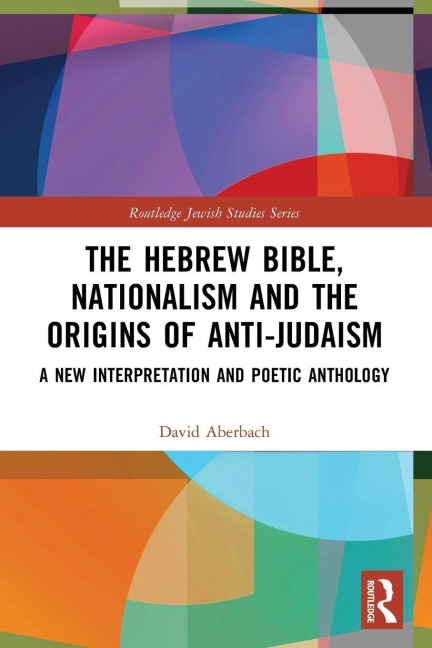

In the attempts to unify divided peoples on the basis of a shared past, both historical and mythical, this book illumines aspects of cultural nationalism common since the Middle Ages.
David Aberbach is Professor of Hebrew and Comparative Studies at McGill University.
Foreword by Dr. Athena Leoussi. Preface and Acknowledgments. Introduction. 1. The edited Bible as united nation. 2. Biblical nationalism and universalism. 3. Editing and moral judgment. 4. Nationalism and oral traditions. 5. National unity as literary aim. 6. Defeat and national literature. 7. Imperialism and the Fertile Crescent. 8. Aaron, Jeroboam and the golden calves. 9. National self-image: guilt and betrayal. 10. Judean views of the lost Kingdom of Israel. 11. Judean views of the lost Kingdom of Judah. 12. Myth and nationalism. 13. From Eden to the ruined kingdom. 14. Revenge and national poetry. 15. Dissidence, exile, and populist nationalism. 16. Second Isaiah and the reborn nation. 17. The Bible, the Nation, and the 'Holy Poor'. 18. 'A light for the nations'. Conclusion. the Hebrew Bible and origins of anti-Judaism. Epilogue on Love: The Song of Songs. Bibliography.