Und dann auf "Zum Home-Bildschirm [+]".

Stöbern
genialokal zum Startbildschirm hinzufügen
Installieren Sie die genialokal App auf Ihrem Startbildschirm für einen schnellen Zugriff und eine komfortable Nutzung.
Installieren Sie die genialokal App auf Ihrem Startbildschirm für einen schnellen Zugriff und eine komfortable Nutzung.
Ihr gewünschter Artikel ist in 0 Buchhandlungen vorrätig - wählen Sie hier eine Buchhandlung in Ihrer Nähe aus:

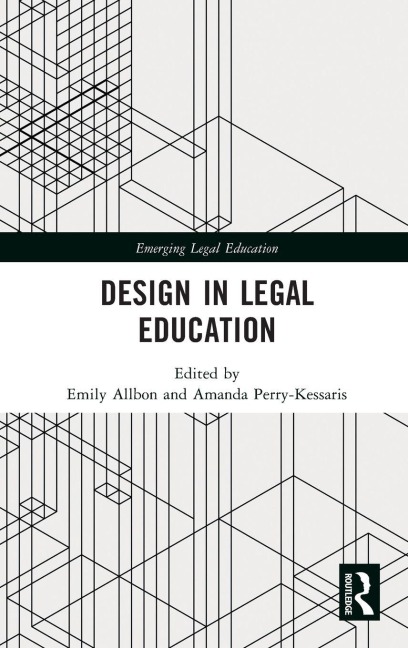
Exploring the possibilities of the visual and design in legal education and for creating more empowered, legally literate communities, this book will of interest and use to those teaching and working in Law, further education and higher education, and public legal information.
Emily Allbon is an Associate Professor at the City Law School (City, University of London). She is known for her work in developing the award-winning Lawbore resource-a website to support and engage those studying law, as well as for her activities in the field of legal design. She was proud to launch TL;DR-the less textual legal gallery in late 2019-which showcases ways of making law more accessible to all. She has worked with charities, law firms and independent organisations too; helping them find better solutions for communicating the law to their clients. Her work has been recognised via awards both from her previous profession (librarianship and information science) and the academic law community; she was awarded the Routledge/ALT Teaching Law with Technology Prize 2013. In 2013 the Higher Education Academy named her one of 55 National Teaching Fellows-the UK's most prestigious awards for excellence in higher education teaching and support for learning. She is also a Senior Fellow of the HEA. Her interests lie in legal education, legal research and legal information literacy, student engagement, legal design and visualisation and the use of technology in teaching and learning. Amanda Perry-Kessaris SFHEA is Professor of Law at Kent Law School where she convenes a unique design-driven postgraduate research methods course, Research Methods in Law. She is author of Doing Sociolegal Research in Design Mode funded by the Leverhulme Trust and the Socio-Legal Studies Association and published by Routledge in 2021. She has worked with a wide range of collaborators to use designerly ways to enhance legal thinking and practice in academic and beyond, and is currently working on a project entitled Approaching the Economic Lives of Law in Design Mode to be published in monograph form by Routledge. She blogs at https://amandaperrykessaris. org/approaching-law/ and tweets @amandaperrykessaris
1. What can design do for legal education? Part I: Higher Education 2. Socio-legal methods labs as pedagogical spaces: Experimentation, knowledge building, community development 3. Using personae, vignettes and visual approaches to communicate and interrogate sociolegal concepts, theory and methods 4. Objects and visual devices in teaching for peace: Narrowing the gaps between the languages of social sciences and law 5. Psychologically-Informed Design in Legal Education 6. Service design comes to Blackstone's tower: Applying design thinking to curriculum development in legal education 7. Teaching innovation in the age of technology: Educating lawyers for digital disruption using visually-oriented legal design principles? 8. Teaching IT Law through the lens of legal design 9. Making a racism reporting tool: A legal design case study 10. Teaching comic book contracting Part II: Public Legal Education 11. Using human centred design to break down barriers to legal participation 12. Judging by appearances 13. Designing to dismantle 14. Taking our interactive co-design workshop online 15. Designing access to the law: An ethical perspective Part III: Legal Practice 16. Visualisation in contract education and practice: The first 25 years 17. How Legal Design is shaping satisfaction, standards and substance in legal practice 18. Design in legal publishing 19. Lawyers are still lawyers. Except when they're not