
Stöbern
genialokal zum Startbildschirm hinzufügen
Installieren Sie die genialokal App auf Ihrem Startbildschirm für einen schnellen Zugriff und eine komfortable Nutzung.
Installieren Sie die genialokal App auf Ihrem Startbildschirm für einen schnellen Zugriff und eine komfortable Nutzung.
Tippen Sie einfach auf Teilen:
 Und dann auf "Zum Home-Bildschirm [+]".
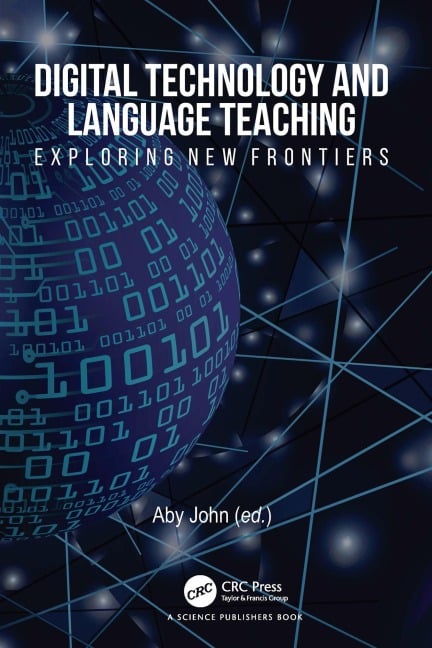
In today's digital age, language teaching is undergoing a profound transformation. The convergence of technology and language learning has unlocked unprecedented opportunities for innovation and growth. Digital platforms, multimedia resources, and interactive tools are redefining the way languages are taught and learned. This book explores the frontiers of digital technology in language teaching, shedding light on its potential to enhance language acquisition, boost learner engagement, and foster global communication. From theoretical foundations to practical applications, this comprehensive volume provides a nuanced understanding of the complex relationships between technology, language, and learning. By examining the benefits and challenges of digital language learning, this book aims to inform educators, researchers, and policymakers about the effective integration of technology in language teaching. With its cutting-edge insights and expert contributions, this book is an indispensable resource for anyone seeking to harness the power of digital technology to transform language learning. This volume will be of significant interest to educators, researchers, and policymakers due to its comprehensive exploration of the intersection of digital technology and language teaching. It will also serve as a valuable resource for language learners seeking to understand the role of technology in language acquisition.
Dr. Aby John is a Junior Scientific Researcher at the Faculty of Philology, RUDN University, Moscow, Russia. He also serves as the Vice Chair (Research), IEEE EdSoc, Kerala Chapter, India. He was a Visiting Professor at the Financial University, Russia, in 2023. He has published numerous patents in the Patent Office Journal, Government of India and holds several registered copyrights. As a Cambridge Assessment Specialist, Cambridge, UK, he brings international expertise to his works. He has authored 3 books and edited 2 volumes with global publishing houses. Dr. John was the principal investigator of one minor and one major funded research project. He serves on the editorial/review boards of 4 Scopus-indexed Q1 journals and two Q2 journals. He has published around 30 research papers in peer-reviewed national, international, and Scopus-indexed journals. Additionally, he has published 8 research papers as chapters in 8 edited books. Numerous faculty development programs (FDP), refresher courses, and international conferences have boosted his profile to a great extent.
Preface. Section 1: Introduction to Theoretical Foundations of Digital Language Learning. 1. Reimagining Language Pedagogy in the Digital Era Theoretical Foundations and Emerging Paradigms. 2. The Evolving Landscape of Digital Language Teaching A Theoretical Insight. 3. Digital Technology and Teachers An Essential Blend to Confront the Challenges of ELT in Multilingual and Multicultural Classrooms. Section 2: Digital Pedagogies and Methodologies in Language Education. 4. Wordtune as an AI-based Supportive Writing Tool in the Language Teaching and Learning Practices. 5. Assessing ESL Graphic Design Students' Language Proficiency Using Digital Formative Tools A Validity and Reliability Perspective. 6. Gamification and Digital Tools in ESAP Based English Sessions An Integrated Approach for the Digital Era. 7. Augmented Reality in Language Education Assessing Cognitive and Pedagogical Impacts. Section 3: Technology-Mediated Language Learning and Teaching: A Guide for Educators. 8. Exploring the Role of Artificial Intelligence in Technology-Enhanced Language Learning. 9. AI-Driven Tools for Improving Primary Students' English Writing: An Investigation into Teachers' Perceptions and Practices. 10. Designing a Digital Research Project to Develop ESL Students' Digitally-Mediated Language Competence A Case of Pedagogical Innovation. 11. Implementing Augmented Reality in Second Language Acquisition Using CRIP Theory: An Ex-Post Facto Design. Section 4: Opportunities and Challenges in Digital Language Learning: Future Directions and Implications. 12. Language Technologies in the Digital Age Implications for Language Teaching and Learning in Multilingual Contexts. 13. Pedagogical Implications of AI-Powered Language Tools in Tonal Language Teaching. 14. Integrating Technology in Language Teaching Benefits and Challenges. Index.