Und dann auf "Zum Home-Bildschirm [+]".

Stöbern
genialokal zum Startbildschirm hinzufügen
Installieren Sie die genialokal App auf Ihrem Startbildschirm für einen schnellen Zugriff und eine komfortable Nutzung.
Installieren Sie die genialokal App auf Ihrem Startbildschirm für einen schnellen Zugriff und eine komfortable Nutzung.
Ihr gewünschter Artikel ist in 0 Buchhandlungen vorrätig - wählen Sie hier eine Buchhandlung in Ihrer Nähe aus:

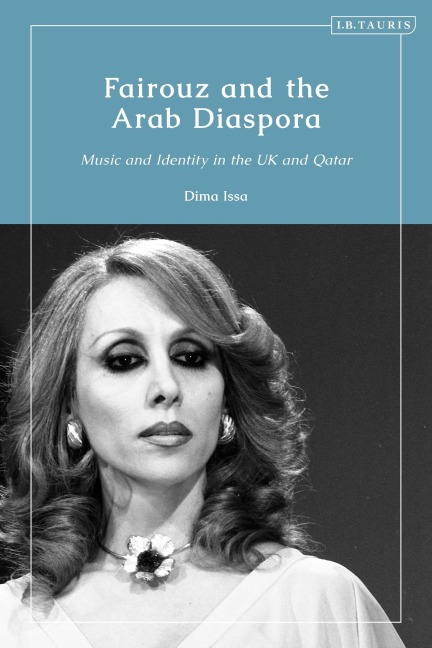
With a discography of over 1000 songs, 20 musicals and three motion pictures, the Lebanese singer and performer, Fairouz, is an artist of pan-Arab appeal, who has connected with listeners from diverse backgrounds and geographies for over four often tumultuous decades. In this book, Dima Issa explores the role of Fairouz's music in creating a sense of Arab identity amidst changing political, economic context. Based on two years of research including 60 interviews, it takes an ethnographic approach, focussing on audience reception of Fairouz's music among the Arab diasporas of London and Doha. It shows that for discussants, talking about Fairouz meant discussing diasporic life, bringing to the surface notions of Arabness and authenticity, presence and absence, naturalization and citizenship, and the issue of gender. Conversations with the research respondents shed light on the idea of iltizam (commitment), or how members of the Arab diaspora hold on to attributes that they feel define and differentiate them from others.
Dima Issa is Senior Lecturer of Mass Media and Communication at the University of Balamand, Lebanon. Her research focuses on the relationship between popular media and diasporic audiences.
Chapter One: The Individual, the Social, the Diasporic and the Music of Fairouz - An introduction Chapter Two: The Arab Diaspora in London and Doha Chapter Three: Affective Identities: 'Arabness', Hybridity, and 'Intercontextual' Iltizam Chapter Four: Fairouz, Affective Space and the Displaced Chapter Five: Music, Migrancy, Presence and Absence Chapter Six: Visualising an Arab Homeland, Naturalization, Mobility and 'Power Geometries' Chapter Seven: Fairouz, Time, Generational Lineage and the Mnemonic Imagination Chapter Eight: Understanding Diasporic Existence Through the Songs of Fairouz