Und dann auf "Zum Home-Bildschirm [+]".

Stöbern
genialokal zum Startbildschirm hinzufügen
Installieren Sie die genialokal App auf Ihrem Startbildschirm für einen schnellen Zugriff und eine komfortable Nutzung.
Installieren Sie die genialokal App auf Ihrem Startbildschirm für einen schnellen Zugriff und eine komfortable Nutzung.

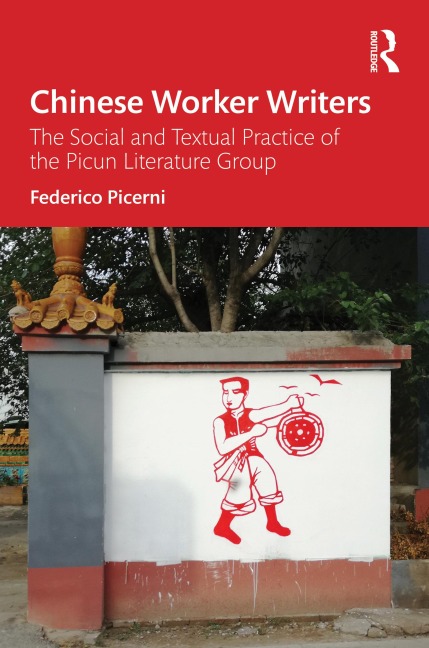
This book offers a comprehensive survey of the literary output produced by rural-urban migrant workers in Picun, Beijing. Divided into two parts, the book first examines the historical traditions and enduring challenges of working-class cultural production in China, before focusing on five of the group's most prominent authors. The book provides the first English-language monograph on the Picun Literature Group, combining literary theory with fieldwork and extensive engagement with Chinese-language scholarship. It explores the formative process of worker authors, their struggles to create meaningful work beyond the assembly line, and the ways their class background shapes their writing. By contextualising their literary production historically - from the early 20th century - it offers unique insights into working-class literature in mainland China. Readers gain methodological insights and a deeper understanding of the intersection between class and cultural production. Chinese Worker Writers is ideal for scholars and undergraduate and postgraduate in Chinese studies, literary and cultural studies and related disciplines. Its accessible explanations and contextualisation also make it suitable for non-specialist readers interested in contemporary Chinese literature and working-class cultural production.
Federico Picerni is an assistant professor of Chinese literature with the University of Bologna. He obtained his PhD at Ca' Foscari University of Venice in a double-degree programme with Heidelberg University. His research concerns the relationship of cultural production and society in China.
Acknowledgements List of acronyms and abbreviations Introduction PART I Context 1 Can the worker write? 2 Picun: making a community through cultural activity PART II Text 3 A worker's memoir in virality and commentary: Fan Yusu 4 Howl of the factory, workshop of poetry: Xiao Hai 5 Songs of labour most glorious: Xu Liangyuan 6 Rural memory in the city: Li Ruo 7 Fictive and factual in workers' autofiction: Wan Huashan Conclusion: Metatext Bibliography Index