
Stöbern
genialokal zum Startbildschirm hinzufügen
Installieren Sie die genialokal App auf Ihrem Startbildschirm für einen schnellen Zugriff und eine komfortable Nutzung.
Installieren Sie die genialokal App auf Ihrem Startbildschirm für einen schnellen Zugriff und eine komfortable Nutzung.
Tippen Sie einfach auf Teilen:
 Und dann auf "Zum Home-Bildschirm [+]".
Ihr gewünschter Artikel ist in 0 Buchhandlungen vorrätig - wählen Sie hier eine Buchhandlung in Ihrer Nähe aus:

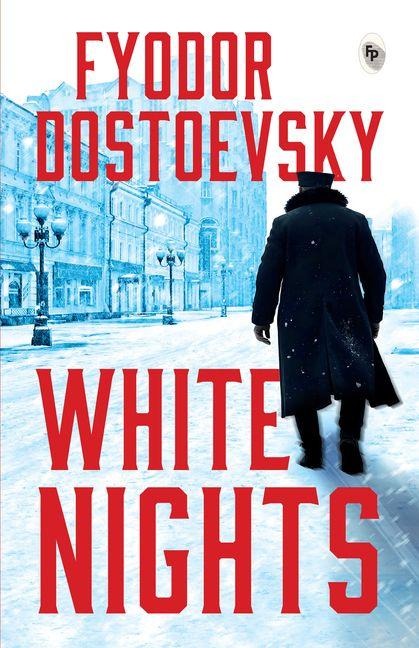
White Nights White Nights by Fyodor Dostoevsky is a poignant short story set in the captivating summer nights of St. Petersburg.What the Book Explores - Core themes developed through structured progression - Concepts presented with clarity and coherence - Engagement with relevant ideas and context - Material designed to support deeper understandingQualities of the Book - Clear and disciplined writing style - Organized presentation for easy navigation - Balanced approach between insight and accessibility - Suitable for independent reading and guided studyPerfect For - Serious and intentional readers - Students and learners seeking structured content - Libraries and educational settings - Readers interested in thoughtful explorationWhy This Book Matters This book contributes meaningful value through its structured approach and clear development of ideas, making it a dependable addition to a thoughtful collection. Do it by yourself and give me the best
The most important Russian author of his time, Fyodor Mikhaylovich Dostoyevsky (also spelled Dostoevsky) was born on November 11, 1821, in Moscow. From a young age, he was introduced to literature by way of fairy tales and folk tales narrated to him. After completing his studies, Dostoevsky became a sub-lieutenant. In 1843, he began to work as a lieutenant engineer. His first piece of writing, a translation of Balzac's Eugénie Grandet, was published in the same year. Poor Folk, Dostoevsky's first novel was published in 1846.Between 1846 and 1849, Dostoevsky wrote works that were face-paced narratives. His short stories were featured regularly in Annals of the Fatherland, such as 'The Landlady', 'A Weak Heart', and 'Wild Nights'. Dostoevsky also published a monthly magazine Vremya under the editorship of his brother. Borne out of Dostoevsky's traumatic experiences and the misery of his general life and constant poverty, sprung out his masterpiece--Crime and Punishment. Dostoevsky wrote many other notable works such as Notes from the Underground (1864), Idiot (1868-69), The Possessed (1873), The Adult (1875), and The Brothers Karamazov (1881), which was his last work. On February 9, 1881, Dostoevsky breathed his last after he suffered multiple haemorrhages.