
Stöbern
genialokal zum Startbildschirm hinzufügen
Installieren Sie die genialokal App auf Ihrem Startbildschirm für einen schnellen Zugriff und eine komfortable Nutzung.
Installieren Sie die genialokal App auf Ihrem Startbildschirm für einen schnellen Zugriff und eine komfortable Nutzung.
Tippen Sie einfach auf Teilen:
 Und dann auf "Zum Home-Bildschirm [+]".
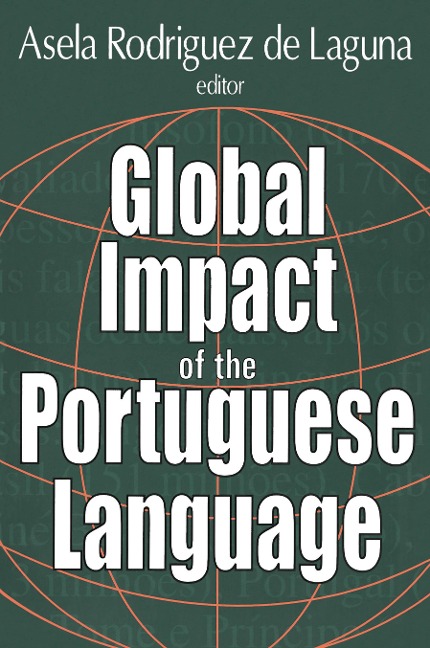
Within the cultural and literary context of contemporary Portugal and Western literature, 1998 was unquestionably the year that Portuguese writing gained international recognition as JosU Saramago became the first Portuguese writer ever to receive the Nobel Prize in literature. Readers who had never thought about Portuguese letters began to consume his books and, most importantly, opted for expanding their reading lists to include other important writers not only from Portugal, but from Portuguese-speaking well beyond the borders of Portugal. Global Impact of the Portuguese Language is a collection of Portuguese writing that is as rich in content and broad in scope as the diversity of its topics and writing modes of its contributors. The book is divided into three major parts. Part 1, "Different Cultural Perspectives of Portuguese Writing," contains thirteen chapters in which the first and opening one, "Portugal: The New Frontier" ably sets the stage for the book by examining from a cultural perspective how Portugal, a peripheral country in the new world system, serves as a microcosm of the problems of cultural intercommunication in today's world. Subsequent chapters are grouped in three categories: "The Voices of the Writers," "Critical Approaches to Cames," and "Fictionalizing the Nation." Part 2, "Portuguese Language and Literature Outside Portugal," comprises one section devoted to the Portuguese language in Africa, followed by studies about Portuguese discoveries as part of the historical process of remembering and forging one's identity, and finally a comprehensive historical development of Portuguese writing, both in Portuguese and English, in the United States. Part 3, "Portuguese Literature and Criticism Available in English: Suggested Readings" details the recent literary happenings which point to a possible renaissance in Portuguese literary production. The concluding part of this volume offers a short, comprehensive listing of anthologies, general studies, and the most popular translations of the best of Portuguese writing from Portugal and Africa. This lively volume constitutes a first pioneering effort to contribute to a deepening appreciation and understanding of Portuguese writing. Anyone interested in ethnic writing will find this book an invaluable education resource with which to begin an exploration of Portuguese writing in the United States. Asela Rodriguez de Laguna is associate professor of Spanish and director of the Hispanic Civilization & Language Studies Program. She is the author of Notes on Puerto Rican Literature: Images and Identities: An Introduction, and editor of Images and Identities: The Puerto Rican in Two World Contexts.
1: Different Cultural Perspectives of Portuguese Writing; 1: Portugal: The New Frontier; The Voices of the Writers; 2: Distance Sounds (Some Portuguese Fiction); 3: The Golden Impossibility; 4: Curse of the Left Testicle; 5: My Hunt for King Sebastião; Critical Approaches to Camões; 6: Exile under Fire; 7: First Encounters; Fictionalizing the Nation; 8: Literature Transactions; 9: Maria Iconoclast's American Adventure in Viagens d'Altina (1790); 10: Nineteenth-Century Portuguese Novelist Eça de Queirós (1845-1900); 11: "Tell Me the Mother You Had..."; 12: Construction of Identity in Portuguese Contemporary Narrative; 13: Invitation to the Voyage; 2: Portuguese Language and Writing Outside Portugal; Lusophone Languages and Literary Expressions; 14: Vernacular, Literary, Vehicular, and Official; 15: Portugal Revisited, Brazil Rediscovered; 16: The Post-Colonial Mozambican Fiction; 17: Revolutionary Utopias and the Imagined Nation in the Narratives of Pepetela; Portuguese-American Literature; 18: Songs of Fate; 19: Two Decades of Luso-American Literature; 3: Bibliography; 20: Portuguese Literature and Criticism Available in English
Dieses eBook wird im PDF-Format geliefert und ist mit einem Adobe Kopierschutz (DRM) versehen. Sie können dieses eBook mit allen Geräten lesen, die das PDF-Format und den Adobe Kopierschutz (DRM) unterstützen.
Zum Beispiel mit den folgenden Geräten:
• tolino Reader
Laden Sie das eBook direkt über den Reader-Shop auf dem tolino herunter oder übertragen Sie das eBook auf Ihren tolino mit einer kostenlosen Software wie beispielsweise Adobe Digital Editions.
• Sony Reader & andere eBook Reader
Laden Sie das eBook direkt über den Reader-Shop herunter oder übertragen Sie das eBook mit der kostenlosen Software Sony READER FOR PC/Mac oder Adobe Digital Editions auf ein Standard-Lesegeräte mit epub- und Adobe DRM-Unterstützung.
• Tablets & Smartphones
Möchten Sie dieses eBook auf Ihrem Smartphone oder Tablet lesen, finden Sie hier unsere kostenlose Lese-App für iPhone/iPad und Android Smartphone/Tablets.
• PC & Mac
Lesen Sie das eBook direkt nach dem Herunterladen mit einer kostenlosen Lesesoftware, beispielsweise Adobe Digital Editions, Sony READER FOR PC/Mac oder direkt über Ihre eBook-Bibliothek in Ihrem Konto unter „Meine eBooks“ - „online lesen“.
Schalten Sie das eBook mit Ihrer persönlichen Adobe ID auf bis zu sechs Geräten gleichzeitig frei.
Bitte beachten Sie, dass die Kindle-Geräte das Format nicht unterstützen und dieses eBook somit nicht auf Kindle-Geräten lesbar ist.