
Stöbern
genialokal zum Startbildschirm hinzufügen
Installieren Sie die genialokal App auf Ihrem Startbildschirm für einen schnellen Zugriff und eine komfortable Nutzung.
Installieren Sie die genialokal App auf Ihrem Startbildschirm für einen schnellen Zugriff und eine komfortable Nutzung.
Tippen Sie einfach auf Teilen:
 Und dann auf "Zum Home-Bildschirm [+]".
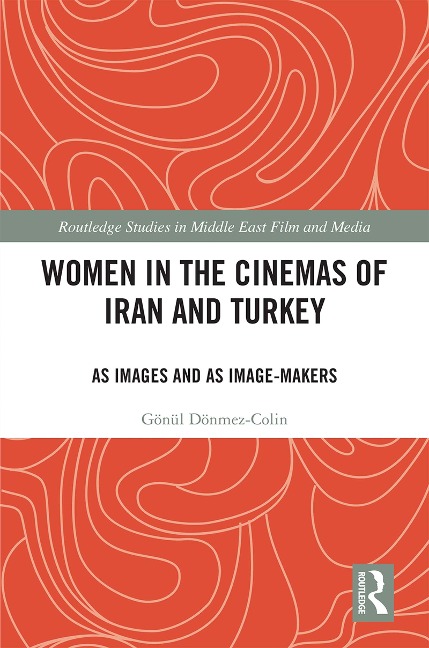
This volume compares the cinemas of Iran and Turkey in terms of the presence and absence of women on both sides of the camera. From a critical point of view, it provides detailed readings of works by both male and female film-makers, emphasizing issues facing women's film-making. Presenting an overview of the modern histories of the two neighbouring countries, the study traces certain similarities and contrasts, particularly in the reception, adaption and representation of Western modernity and cinema. This is followed by the exploration of the images of women on screen with attention to minority women, investigating post-traumatic cinema's approaches to women (Islamic Revolution of 1979 in Iran and the 1980 coup d'état in Turkey) and women's interpretations of post-traumatic experiences. Furthermore, the representations of sexualities and LGBTI identities within cultural, traditional and state-imposed restrictions are also discussed. Investigating border-crossing in physical and metaphorical terms, the research explores the hybridities in the artistic expressions of 'deterritorialized' film-makers negotiating loyalties to both vatan (motherland) and the adopted country. This comprehensive analysis of the cinemas of Iran and Turkey, based on extensive research, fieldwork, interviews and viewing of countless films is a key resource for students and scholars interested in film, gender and cultural studies and the Middle East.
Gönül Dönmez-Colin is a film scholar specializing in the cinemas of the Middle East and Central Asia. She is the author of The Routledge Dictionary of Turkish Cinema, Turkish Cinema: Identity, Distance and Belonging, Cinemas of the Other: A Personal Journey with Filmmakers from the Middle East and Central Asia, Women, Islam and Cinema amongst other works.
Introduction 1. From Inflated Plastic Dolls, Patience Stones, Honour Bearers, Home-Breakers and 'Commodified Others' to Free Agents: Screen Images of Women 2. Women on the Thorny Trail of Image-Making 3. Post-Traumatic Cinema and Gender 4. Narratives of Resistance 5. Sexualities and Queer Imaginaries 6. Border-Crossings and 'Deterritorialized' Film-Makers 7. His Films: Abbas Kiarostami and Nuri Bilge Ceylan Afterword
Dieses eBook wird im PDF-Format geliefert und ist mit einem Adobe Kopierschutz (DRM) versehen. Sie können dieses eBook mit allen Geräten lesen, die das PDF-Format und den Adobe Kopierschutz (DRM) unterstützen.
Zum Beispiel mit den folgenden Geräten:
• tolino Reader
Laden Sie das eBook direkt über den Reader-Shop auf dem tolino herunter oder übertragen Sie das eBook auf Ihren tolino mit einer kostenlosen Software wie beispielsweise Adobe Digital Editions.
• Sony Reader & andere eBook Reader
Laden Sie das eBook direkt über den Reader-Shop herunter oder übertragen Sie das eBook mit der kostenlosen Software Sony READER FOR PC/Mac oder Adobe Digital Editions auf ein Standard-Lesegeräte mit epub- und Adobe DRM-Unterstützung.
• Tablets & Smartphones
Möchten Sie dieses eBook auf Ihrem Smartphone oder Tablet lesen, finden Sie hier unsere kostenlose Lese-App für iPhone/iPad und Android Smartphone/Tablets.
• PC & Mac
Lesen Sie das eBook direkt nach dem Herunterladen mit einer kostenlosen Lesesoftware, beispielsweise Adobe Digital Editions, Sony READER FOR PC/Mac oder direkt über Ihre eBook-Bibliothek in Ihrem Konto unter „Meine eBooks“ - „online lesen“.
Schalten Sie das eBook mit Ihrer persönlichen Adobe ID auf bis zu sechs Geräten gleichzeitig frei.
Bitte beachten Sie, dass die Kindle-Geräte das Format nicht unterstützen und dieses eBook somit nicht auf Kindle-Geräten lesbar ist.