
Stöbern
genialokal zum Startbildschirm hinzufügen
Installieren Sie die genialokal App auf Ihrem Startbildschirm für einen schnellen Zugriff und eine komfortable Nutzung.
Installieren Sie die genialokal App auf Ihrem Startbildschirm für einen schnellen Zugriff und eine komfortable Nutzung.
Tippen Sie einfach auf Teilen:
 Und dann auf "Zum Home-Bildschirm [+]".
Ihr gewünschter Artikel ist in 0 Buchhandlungen vorrätig - wählen Sie hier eine Buchhandlung in Ihrer Nähe aus:

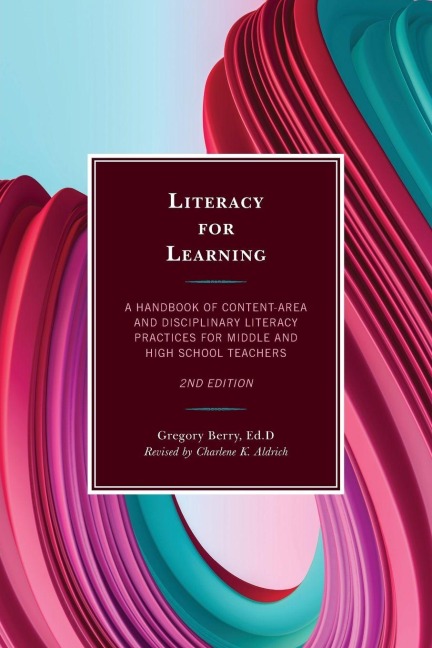
Literacy for Learning, 2nd edition, introduces a model of instruction for content area learning that moves from the science of reading to strategic reading, and then through content area literacy into disciplinary literacy. The updates to this edition include more recent scholarship, and a new digital component featuring resources and strategies.
Gregory Berry
Preface Acknowledgments Introduction Part I: Overview of Literacy Expectations in Middle and High School Chapter 1. Nothing Happens in a Vacuum Improved Academic Performance? What Happened? What is the Literacy Expectation in Middle and High School? How Do Teachers Meet These Expectations? Part II: Becoming College and Career Ready Who Are These Freshmen? Key Shifts Called for by the Common Core Chapter 2. Strategic Reading and Writing What Is Strategic Reading and Writing? What Does Strategic Reading and Writing Look Like in a Classroom? Strategic Readers and Writers Are Effective Readers and Writers Chapter 3. Content-Area Literacy The Next Step Developing Content-Area Literacy Instructor Response Beyond Deep Learning Chapter 4. Disciplinary Literacy Creating Discourse Communities Intentional Disciplinary Literacy So, What Does Disciplinary Literacy Look Like? Part III: A Literacy Model of Instruction Using Informational Texts Chapter 5. Reading Across the Disciplines Informational Texts Recursive Reading and Writing to Learn A Process for Reading Informational Texts Before Reading: Preparing to Read and Write During Reading: Responding in Writing While Reading After Reading: Reinforcing, Expanding, and Writing Adapting and Customizing From Content-Area Literacy to Disciplinary Literacy More Than a Process for Reading Chapter 6. Academic Language Across the Disciplines The Significance of Vocabulary Brain Development and Vocabulary Effective Vocabulary Instruction Chapter 7. Writing Across the Disciplines What is Content-Area Writing? The Reading-Writing Connection Informal Writing versus Formal Writing Empowered Teachers Empower Students Improving Writing through Mentor Texts Part IV: Using Technology to Support Content-Area and Disciplinary Literacy Chapter 8. Standards, Tenets, and Best Practices Technology Standards Basic Tenets of Technology in Education Reading, Thinking, and Composing Digitally Chapter 9. Instructional Resources Libraries/Media Centers/Computer Labs Open-Access Resources Dependable, Credible Resources References About the Author