Und dann auf "Zum Home-Bildschirm [+]".

Stöbern
genialokal zum Startbildschirm hinzufügen
Installieren Sie die genialokal App auf Ihrem Startbildschirm für einen schnellen Zugriff und eine komfortable Nutzung.
Installieren Sie die genialokal App auf Ihrem Startbildschirm für einen schnellen Zugriff und eine komfortable Nutzung.
Ihr gewünschter Artikel ist in 0 Buchhandlungen vorrätig - wählen Sie hier eine Buchhandlung in Ihrer Nähe aus:

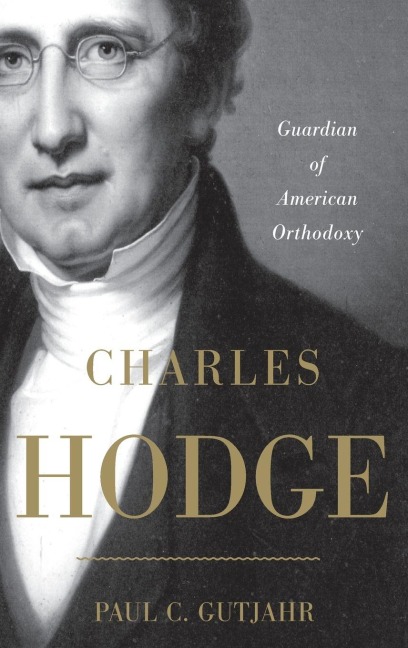
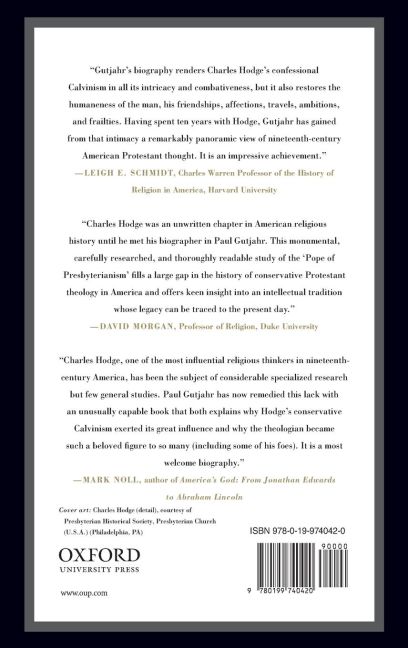
Charles Hodge (1797-1878) was one of nineteenth-century America's leading theologians, owing in part to a lengthy teaching career, voluminous writings, and a faculty post at one of the nation's most influential schools, Princeton Theological Seminary. Surprisingly, the only biography of this towering figure was written by his son, just two years after his death. Paul Gutjahr's book, therefore, is the first modern critical biography of a man some have called the -Pope of Presbyterianism.- Hodge's legacy is especially important to American Presbyterians. His brand of theological conservatism became vital in the 1920s, as Princeton Seminary saw itself, and its denomination, split. The conservative wing held unswervingly to the Old School tradition championed by Hodge, and ultimately founded the breakaway Orthodox Presbyterian Church. The views that Hodge developed, refined, and propagated helped shape many of the central traditions of twentieth- and twenty-first-century American evangelicalism. Hodge helped establish a profound reliance on the Bible among evangelicals, and he became one of the nation's most vocal proponents of biblical inerrancy. Gutjahr's study reveals the exceptional depth, breadth, and longevity of Hodge's theological influence and illuminates the varied and complex nature of conservative American Protestantism.
Paul C. Gutjar is Associate Professor of English, American Studies, and Religious Studies
- Illustrations
- Key Events in Hodge's Life
- Key Figures in Hodge's Life
- Prologue - The Pope of Presbyterianism
- 1.: 1797-1810 - The Hodges of Philadelphia
- 1. Andrew Hodge, Family Patriarch
- 2. Presbyterian Heritage
- 3. Beauty and the Beast
- 2.: The 1810s - Student Years
- 4. The Beginnings of Self
- 5. Prince's Town
- 6. Witherspoon's Common Sense
- 7. "Classick Learning"
- 8. Enlisting under the Banner of King Jesus
- 9. Happy Jaunts and the "Man of Men"
- 10. "Give us ministers!"
- 11. Student Years at the Seminary
- 12. "Where am I to go?"
- 3.: The 1820s - Young Professor
- 13. "The Most Eligible Situation for Improvement"
- 14. New England's Theological Landscape
- 15. Democratic Christianity
- 16. The Birth of the Biblical Repertory
- 17. The Trip to Europe
- 18. "The Dirtiest, Ugliest, Gloomiest Town"
- 19. Berlin and the Return Home
- 20. A Sense of Mission
- 21. The Repertory Reborn
- 4.: The 1830s - Crusader
- 22. The Imputation Controversy
- 23. Romans
- 24. Crippled in Body, But not in Mind
- 25. Hodge's Home: "Sunny, Genial, Kindly and Tolerant"
- 26. The Coming Storm
- 27. The Slavery Question
- 28. The Schism
- 29. The New School Fights Back
- 30. Writing History
- 5.: The 1840s - Professor of Theology
- 31. The Way of Life
- 32. Didactic Theology
- 33. Teaching and Preaching
- 34. The Public Face of the Seminary
- 35. Moderator of the General Assembly
- 36. "The Nonsensical Dialect of Transcendentalism"
- 37. Roman Catholic Baptism
- 38. Infection of German Idealism
- 39. "When the will of the wife is the other way"
- 40. "Covered in Gloom"
- 6.: The 1850s - Inspired Churchman
- 41. College Trustee
- 42. Language and Feeling
- 43. The Inspiration of Scripture
- 44. "Graces of the Spirit"
- 45. The Battle against "Churchianity"
- 46. Thornwell and "Thus Saith the Lord"
- 47. The Pauline Commentaries
- 48. Politics and Conscience
- 7.: The 1860s - Conflicted Unionist
- 49. The State of the Country and the Church
- 50. Hodge's Family at War
- 51. The Unities of Mankind
- 52. The Disunities of Mankind
- 53. Reuniting the Old and New Schools
- 8.: 1870s - Systematic Theologian and Scientist
- 54. The Systematic Theology
- 55. "The apex of my life"
- 56. Science and Darwinism
- 57. "O Death, Where is Thy Sting?"
- Epilogue - Hodge's Legacy
- Index