
Stöbern
genialokal zum Startbildschirm hinzufügen
Installieren Sie die genialokal App auf Ihrem Startbildschirm für einen schnellen Zugriff und eine komfortable Nutzung.
Installieren Sie die genialokal App auf Ihrem Startbildschirm für einen schnellen Zugriff und eine komfortable Nutzung.
Tippen Sie einfach auf Teilen:
 Und dann auf "Zum Home-Bildschirm [+]".
Ihr gewünschter Artikel ist in 0 Buchhandlungen vorrätig - wählen Sie hier eine Buchhandlung in Ihrer Nähe aus:

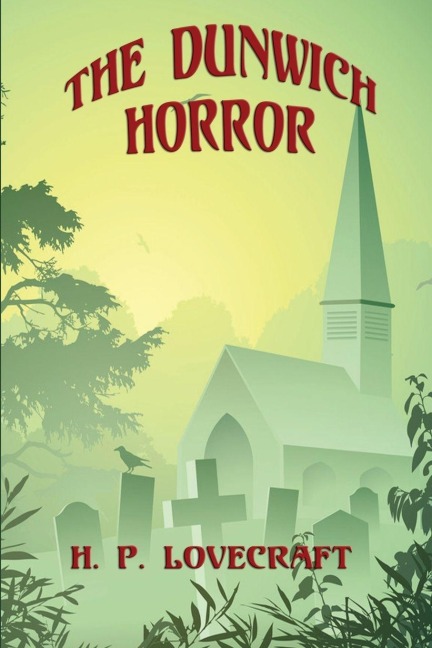
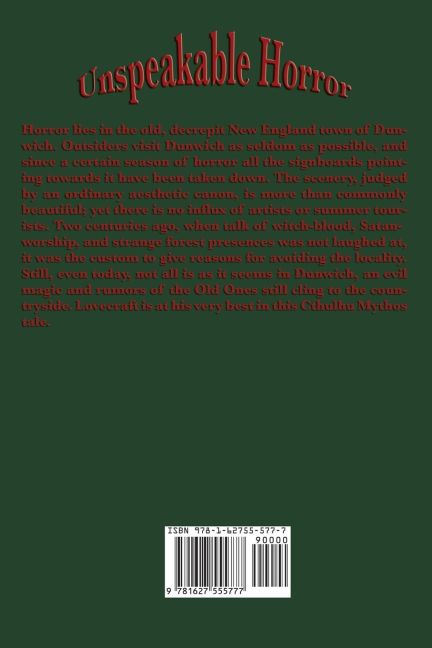
A central work of cosmic horror in which H. P. Lovecraft develops the themes of forbidden knowledge, unseen forces, and the fragility of human understanding. In The Dunwich Horror, a series of unsettling events in a remote New England village leads to the gradual uncovering of a presence that defies ordinary explanation. Through fragmented accounts, scholarly investigation, and mounting evidence, the narrative reveals the consequences of contact with forces beyond human comprehension. The story builds through suggestion and implication, allowing its full implications to emerge with increasing clarity. Lovecraft's approach places emphasis not on immediate threat but on the broader implications of what is discovered. The horror arises from the recognition of humanity's limited place within a vast and indifferent cosmos. As part of the developing Cthulhu Mythos, the story contributes to a larger framework of interconnected ideas and entities that would shape modern horror fiction. The Dunwich Horror remains one of Lovecraft's most widely read and influential works.
H. P. Lovecraft (1890-1937) was an American writer whose imaginative tales of cosmic horror helped shape modern supernatural fiction. Publishing many of his stories in pulp magazines such as Weird Tales, Lovecraft created a distinctive literary universe in which ancient and incomprehensible forces lurk beyond the limits of human understanding. His works-including The Call of Cthulhu, The Dunwich Horror, and At the Mountains of Madness-have influenced generations of writers and remain central to the tradition of weird and cosmic horror.