Und dann auf "Zum Home-Bildschirm [+]".

Stöbern
genialokal zum Startbildschirm hinzufügen
Installieren Sie die genialokal App auf Ihrem Startbildschirm für einen schnellen Zugriff und eine komfortable Nutzung.
Installieren Sie die genialokal App auf Ihrem Startbildschirm für einen schnellen Zugriff und eine komfortable Nutzung.

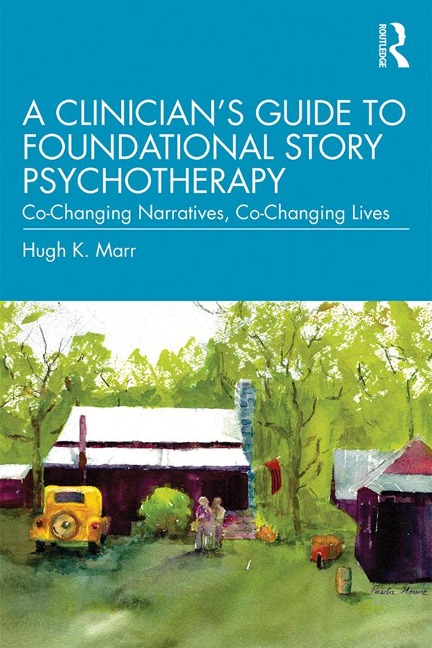
A Clinician's Guide to Foundational Story Psychotherapy draws together a range of theories and models to examine the use of narrative psychotherapy in clinical practice. Illustrated with case examples and biographical vignettes, the book outlines the importance of foundational and life stories in treatment and delineates new techniques for co-assessing and changing stories. A wealth of concrete tools are included, such as the Foundational Story Interview and Family of Origin Map, as well as diagram templates and questionnaires for use during clinical sessions. Integrating theory and practical applications, A Clinician's Guide to Foundational Story Psychotherapy introduces a range of therapeutic options rooted in a narrative context and is a valuable resource for practicing and student psychotherapists.
Hugh K. Marr, PhD, is a clinical psychologist in private practice in Alexandria, Virginia. He has worked in all phases of community mental health, culminating in running a partial hospital program for clients with the co-occurring disorders of substance use and major mental illness. He is the coauthor of the books What Story Are You Living? and Introduction to Archetypes.
List of Figures List of Tables Acknowledgements: A Professional Journey Story Preface Introduction Part 1 - The Shoulders of Giants 1. Major Background Theorists Part 2 - The Aspects of Story and the Foundational Story Model 2. The Aspects of Story 3. The Foundational Story Model 4. Foundational Stories: Russian Dolls and Magic Mirrors Part 3 - Life and Foundational Story Assessment 5. Gathering Stories 6.Understanding Foundational Stories 7. Assessing the Impact of History and Context: The Foundational Story Interview and Family of Origin Mapping 8. The Seminal Importance of Roles 9. Assessing the Life Story Plot and Characters: Plot Diagramming And Character (or Ego State) Mapping Part 4 - Changing Foundational and Life Stories 10. Introduction and Sources of Change 11. Changing Context: Story Receiving and Storytelling 12. Helping Transform Characters 13. Changing Plot 14. Thematic Change 15. Transforming the Moral and the Whole Story I 16.Transforming the Moral and the Whole Story II: Foundational Storyboarding Part 5 - Trauma and the Life Story 17. From Fat Farm to Child Abuse 18. The Trauma Story: Holes, Shards, and Morals 19. A Trauma Treatment Primer: Phases of Trauma Treatment Part 6 - Listening to Your Own Story 20. Working With Yourself 21. Growing as a Therapist Part 7 - Conclusion: Weaving it Together 22. Without and Beyond Story 23. Integrating a Storied View With Your Own Theory Appendices Appendix I: The Foundational Story Interview Template AppendixII: Foundational Story Diagram Form Appendix III: Family of Origin Mapping (FOOM) Procedure Appendix IV: Trauma List Index