Und dann auf "Zum Home-Bildschirm [+]".

Stöbern
genialokal zum Startbildschirm hinzufügen
Installieren Sie die genialokal App auf Ihrem Startbildschirm für einen schnellen Zugriff und eine komfortable Nutzung.
Installieren Sie die genialokal App auf Ihrem Startbildschirm für einen schnellen Zugriff und eine komfortable Nutzung.


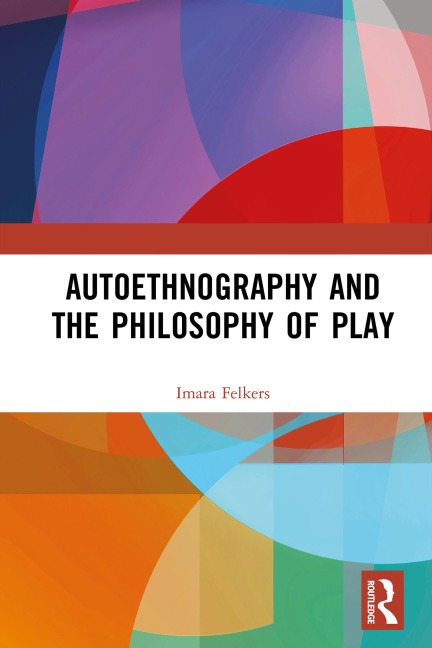
Autoethnography and the Philosophy of Play examines the ways in which play can provide insight into important existential questions. Using literary, autoethnographic methods that position the author as the central subject, the book shows how the philosophy of play can enrich our sense-making and meaning-making. With the themes of childhood play and cycling running through the book, the lived experiences of the author are used to explore a range of subjects, including post-feminist interpretations of play, the intergenerational impact of war trauma, and the ontology of play. The phenomenon of toys, for instance, is used to bridge childhood and adult play, offering tangible examples for understanding play's metaphysical aspects. The book also explores the concept that Eugen Fink referred to as 'masked play', uncovering hidden aspects of our play in adulthood and underscoring the view that the things which make us human are both familiar and elusive. This book is fascinating reading for anybody with an interest in the philosophy of play, sport, leisure, or education; existential philosophy; phenomenology; or gender studies.
Imara Felkers is a philosopher whose work develops play as a mode of existential and phenomenological inquiry. By philosophising play, she advances a way of doing philosophy in which play functions as a methodological tool. Using autoethnographic and literary approaches, she explores how playful practices shape identity and meaning-making across the life course. She often develops her work in close collaboration with artists and students.
Rationale: Playing the philosophy of play. Départ fictif. 1. Playing Homo Ludens. 2. The magic circle leaks. 3. Chasse patate in no-no-land: The embodiment of Fink's thoughts in Flanders Fields. 4. The permeable character of playing. 5. The spatiality of mimesis: Play, relocation, and the embodiment of a situated life. 6. The hidden land: On the permeability of play in radically earthly anthropology.