
Stöbern
genialokal zum Startbildschirm hinzufügen
Installieren Sie die genialokal App auf Ihrem Startbildschirm für einen schnellen Zugriff und eine komfortable Nutzung.
Installieren Sie die genialokal App auf Ihrem Startbildschirm für einen schnellen Zugriff und eine komfortable Nutzung.
Tippen Sie einfach auf Teilen:
 Und dann auf "Zum Home-Bildschirm [+]".
Ihr gewünschter Artikel ist in 0 Buchhandlungen vorrätig - wählen Sie hier eine Buchhandlung in Ihrer Nähe aus:

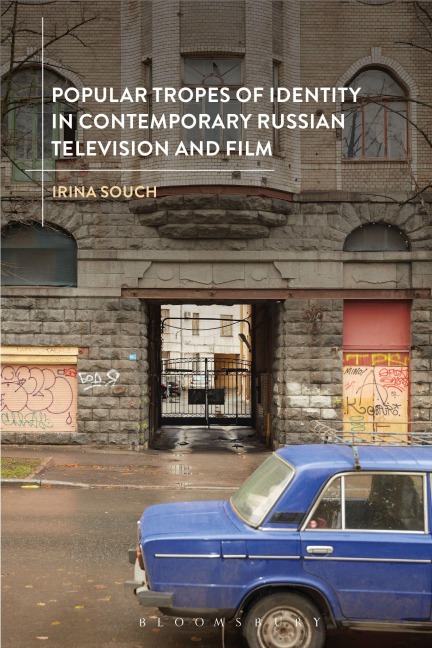
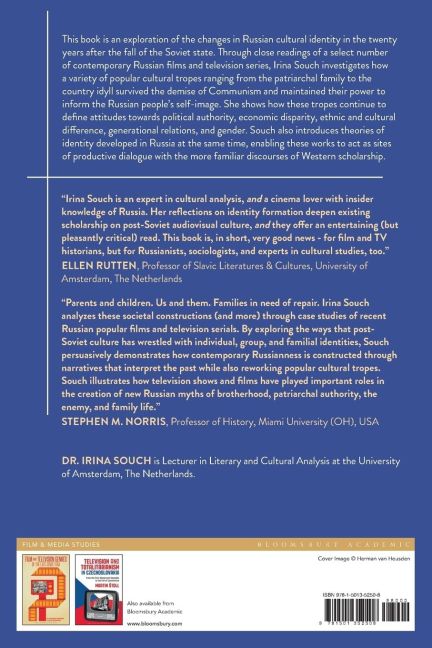
This book is an exploration of the changes in Russian cultural identity in the twenty years after the fall of the Soviet state. Through close readings of a select number of contemporary Russian films and television series, Irina Souch investigates how a variety of popular cultural tropes ranging from the patriarchal family to the country idyll survived the demise of Communism and maintained their power to inform the Russian people's self-image. She shows how these tropes continue to define attitudes towards political authority, economic disparity, ethnic and cultural difference, generational relations and gender. The author also introduces theories of identity developed in Russia at the same time, enabling these works to act as sites of productive dialogue with the more familiar discourses of Western scholarship.
Irina Souch
List of Figures Note on Transliteration and Translation Introduction: Popular Tropes of Identity in Contemporary Russian Television and Film: An Introduction One: From paternal authority to brotherhood: Soviet identity myths in transition Two: Us versus them: fantasies of otherness in the construction of post-Soviet identity Three: Double thinking: negotiating adjustment to societal change Four: The waning family: gender and generations in post-Soviet society Five: Towards new forms of sociality: laughter as a socially productive force Afterword Notes References Index