
Stöbern
genialokal zum Startbildschirm hinzufügen
Installieren Sie die genialokal App auf Ihrem Startbildschirm für einen schnellen Zugriff und eine komfortable Nutzung.
Installieren Sie die genialokal App auf Ihrem Startbildschirm für einen schnellen Zugriff und eine komfortable Nutzung.
Tippen Sie einfach auf Teilen:
 Und dann auf "Zum Home-Bildschirm [+]".
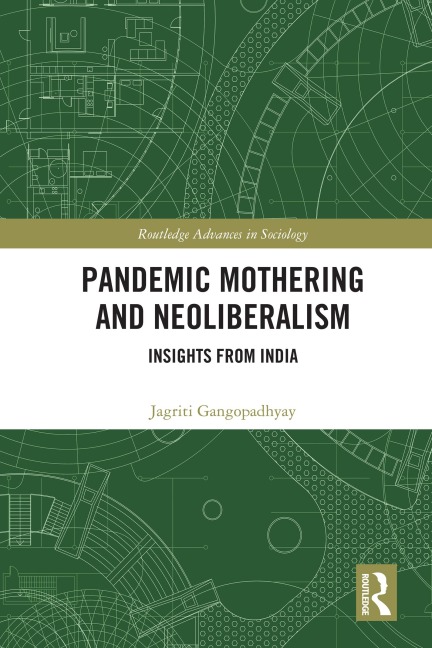
Gangopadhyay defines new categories of motherhood, illustrating how mothers have crafted their own forms of motherhood care and developed the concept of neoliberal motherhood to reflect evolving ideals of motherhood in urban India. Through in-depth interviews with emerging motherhood identities, such as work-from-home mothers, single mothers and mumpreneurs, this book offers insights into how modern working mothers in India are balancing their aspirations with maternal responsibilities in a neoliberalist, post-pandemic context. The chapters examine COVID-19's impact on women's careers, exploring how mothers are challenging traditional gender norms and creating new care narratives. It also investigates how shifting demographic trends are generating new motherhood ideologies. These narratives address a significant research gap in family sociology and gender studies within the Global South, providing an essential understanding of how working mothers with career commitments influence societal expectations and traditional family care roles. This is an invaluable resource for scholars, researchers and students of sociology, anthropology and gender studies, as well as policymakers, researchers, practitioners and activists interested in how emerging demographic trends, global health crises and state economic policies shape motherhood identities.
Jagriti Gangopadhyay is Associate Professor at Manipal Institute of Social Sciences Humanities and Arts, Manipal Academy of Higher Education, Manipal, India. Her research interests are social gerontology and medical sociology, and she has published in books and journals as well.
Chapter I: Introduction: Indian working mothers, neoliberalism and the pandemic Chapter II: Entrepreneur Mothers: Personal Ambitions and Being a mother Chapter III: Single Mothers: Managing Career and Childcare Chapter IV: Work-from-home mothers: Navigating a pandemic, work commitments and childcare Chapter V: Traditional forms of caregiving and working mothers: The most suited arrangement? Chapter VI: Mothers as school teachers: Managing aspirations, childcare and neoliberal ideals Chapter VII: Conclusion: The future of "motherhood care", requirements of the economy and new forms of family systems