Und dann auf "Zum Home-Bildschirm [+]".

Stöbern
genialokal zum Startbildschirm hinzufügen
Installieren Sie die genialokal App auf Ihrem Startbildschirm für einen schnellen Zugriff und eine komfortable Nutzung.
Installieren Sie die genialokal App auf Ihrem Startbildschirm für einen schnellen Zugriff und eine komfortable Nutzung.
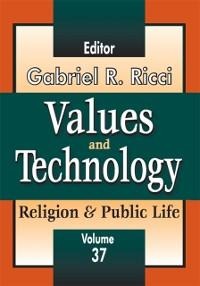
In 1749 Jean-Jacques Rousseau's Discourse on the Arts and Sciences, surprised leading Enlightenment thinkers who had enthusiastically upheld the positive benefits of humanity's technological advance. Voltaire, who celebrated the ends of civilization, mocked Rousseau's praise for an original creative state of nature in which man enjoyed an optimum level of freedom. Given the unprecedented intrusion of technology into our lives, the question raised by Rousseau's critique may be even more pertinent. In this volume of Religion and Public Life contributors address some of the challenges to conventional morality brought on by the technological augmentation of the social structure. John Barker's essay explores how Luciano Floridi's philosophy of technology has complicated the conventional way of determining what ought to receive moral consideration. Fani Zlatarova provides a practical guide for incorporating ethical components into teaching computer technology. Grant Havers explores the controversies surrounding the biogenetic explosion through an examination of the competing philosophical perspectives and Christopher Vassilopolos examines the science-based justification for taking life. Gabriel R. Ricci looks at recent political history in the United States in order to highlight the sometimes uneasy relationship between science and social policy. Volume 37 is a welcome addition to the acclaimed Religion and Public Life series.
James Burk
1: Information Ethics: A Critical Assessment; 2: Teaching Values in Computing Courses through Theory and Practice; 3: Problems of Technology; 4: Human Nature Unbound: Why Becoming Cyborgs and Taking Drugs Could Make Us More Human 1; 5: Natural Rightism and the Biogenetic Debate; 6: Taking Life: Science-Based Justifications in the Third Reich; 7: Do the Facts Matter? The Politicization of Science and the Betrayal of the American Trust; 8: Recommitting vs. Selling Out: The Subtle Industrial Revolution among the Amish of Lancaster County, Pennsylvania; 9: Technology, Tribes, and Environmental Racism: From Techno-Oppression to Tribal Sovereignty; 10: A Recession in the Economy of Trust 1
Dieses eBook wird im PDF-Format geliefert und ist mit einem Adobe Kopierschutz (DRM) versehen. Sie können dieses eBook mit allen Geräten lesen, die das PDF-Format und den Adobe Kopierschutz (DRM) unterstützen.
Zum Beispiel mit den folgenden Geräten:
• tolino Reader
Laden Sie das eBook direkt über den Reader-Shop auf dem tolino herunter oder übertragen Sie das eBook auf Ihren tolino mit einer kostenlosen Software wie beispielsweise Adobe Digital Editions.
• Sony Reader & andere eBook Reader
Laden Sie das eBook direkt über den Reader-Shop herunter oder übertragen Sie das eBook mit der kostenlosen Software Sony READER FOR PC/Mac oder Adobe Digital Editions auf ein Standard-Lesegeräte mit epub- und Adobe DRM-Unterstützung.
• Tablets & Smartphones
Möchten Sie dieses eBook auf Ihrem Smartphone oder Tablet lesen, finden Sie hier unsere kostenlose Lese-App für iPhone/iPad und Android Smartphone/Tablets.
• PC & Mac
Lesen Sie das eBook direkt nach dem Herunterladen mit einer kostenlosen Lesesoftware, beispielsweise Adobe Digital Editions, Sony READER FOR PC/Mac oder direkt über Ihre eBook-Bibliothek in Ihrem Konto unter „Meine eBooks“ - „online lesen“.
Schalten Sie das eBook mit Ihrer persönlichen Adobe ID auf bis zu sechs Geräten gleichzeitig frei.
Bitte beachten Sie, dass die Kindle-Geräte das Format nicht unterstützen und dieses eBook somit nicht auf Kindle-Geräten lesbar ist.