
Stöbern
genialokal zum Startbildschirm hinzufügen
Installieren Sie die genialokal App auf Ihrem Startbildschirm für einen schnellen Zugriff und eine komfortable Nutzung.
Installieren Sie die genialokal App auf Ihrem Startbildschirm für einen schnellen Zugriff und eine komfortable Nutzung.
Tippen Sie einfach auf Teilen:
 Und dann auf "Zum Home-Bildschirm [+]".
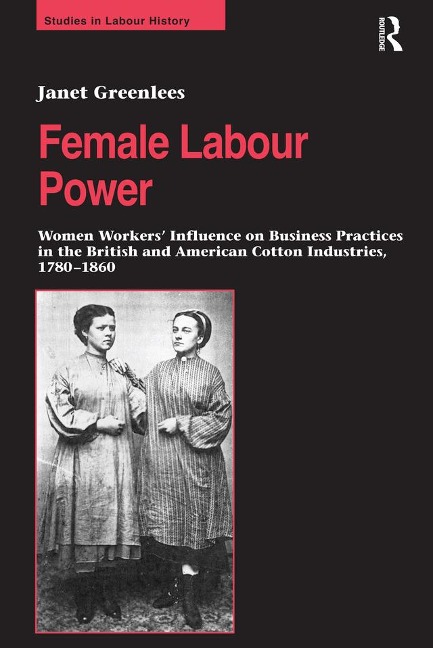
Britain and America were the first two countries with mechanised cotton manufacturing industries, the first major factory systems of production and the first major employers of women outside of the domestic environment. The combination of being new wage earners in the first trans-national industry and their public prominence as workers makes these women's role as employees significant; they set the early standard for women as waged labour, to which later female workers were compared. This book analyses how women workers influenced patterns of industrial organization and offers a new perspective on relationships between gender and work and on industrial development. The primary theme of the study is the attempt to control the work process through co-operation, coercion and conflict between women workers, their male counterparts and manufacturers. Drawing upon examples of women's subversive activities and attitudes toward the discourses of labour, the book emphasizes the variety of women's work experiences. By using this diversity of experience in a comparative way, the book reaches conclusions that challenge a variety of historical concepts, including separate spheres of influence for men and women and related economic theories, for example that women were passive players in the workplace, evolutionary theories with respect to industrial development, and business culture within and between the two industries. Overall it provides the fresh approach that highlights and explains women's agency as operatives and paid workers during industrialization.
Janet Greenlees is Lecturer in History at Glasgow Caledonian University, Glasgow, Scotland, UK.
Contents: General editor's preface; Women, work and cotton manufacturing; Organising the factory: manufacturers' choices; The choices for work in textile communities; Millwork: pay, work and equity; A time to work; Collective action; Gender, health and working conditions; Conclusion: women's impact on industrial development; Bibliography; Index.
Dieses eBook wird im PDF-Format geliefert und ist mit einem Adobe Kopierschutz (DRM) versehen. Sie können dieses eBook mit allen Geräten lesen, die das PDF-Format und den Adobe Kopierschutz (DRM) unterstützen.
Zum Beispiel mit den folgenden Geräten:
• tolino Reader
Laden Sie das eBook direkt über den Reader-Shop auf dem tolino herunter oder übertragen Sie das eBook auf Ihren tolino mit einer kostenlosen Software wie beispielsweise Adobe Digital Editions.
• Sony Reader & andere eBook Reader
Laden Sie das eBook direkt über den Reader-Shop herunter oder übertragen Sie das eBook mit der kostenlosen Software Sony READER FOR PC/Mac oder Adobe Digital Editions auf ein Standard-Lesegeräte mit epub- und Adobe DRM-Unterstützung.
• Tablets & Smartphones
Möchten Sie dieses eBook auf Ihrem Smartphone oder Tablet lesen, finden Sie hier unsere kostenlose Lese-App für iPhone/iPad und Android Smartphone/Tablets.
• PC & Mac
Lesen Sie das eBook direkt nach dem Herunterladen mit einer kostenlosen Lesesoftware, beispielsweise Adobe Digital Editions, Sony READER FOR PC/Mac oder direkt über Ihre eBook-Bibliothek in Ihrem Konto unter „Meine eBooks“ - „online lesen“.
Schalten Sie das eBook mit Ihrer persönlichen Adobe ID auf bis zu sechs Geräten gleichzeitig frei.
Bitte beachten Sie, dass die Kindle-Geräte das Format nicht unterstützen und dieses eBook somit nicht auf Kindle-Geräten lesbar ist.