Und dann auf "Zum Home-Bildschirm [+]".

Stöbern
genialokal zum Startbildschirm hinzufügen
Installieren Sie die genialokal App auf Ihrem Startbildschirm für einen schnellen Zugriff und eine komfortable Nutzung.
Installieren Sie die genialokal App auf Ihrem Startbildschirm für einen schnellen Zugriff und eine komfortable Nutzung.
Ihr gewünschter Artikel ist in 0 Buchhandlungen vorrätig - wählen Sie hier eine Buchhandlung in Ihrer Nähe aus:

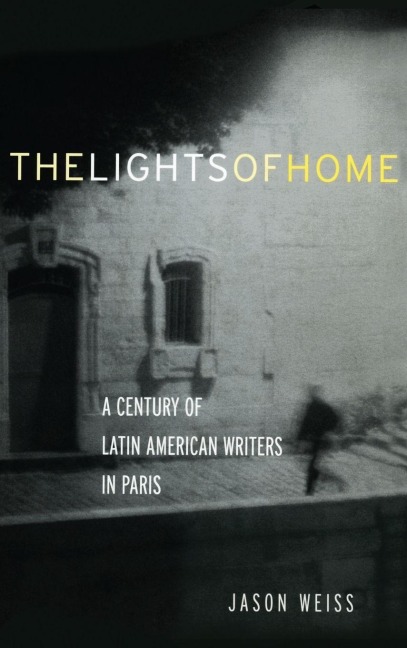
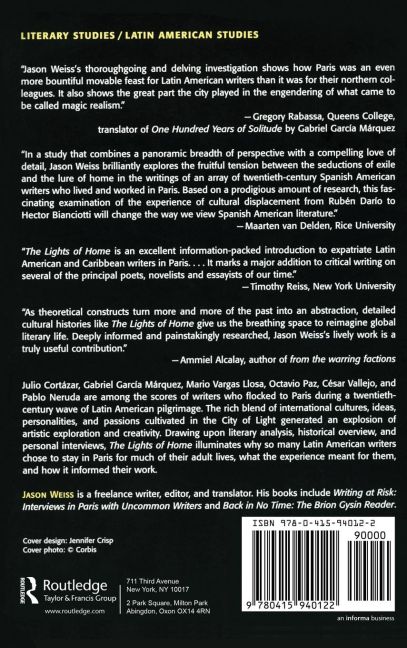
Because of political, cultural, or economic difficulties in their homelands, Latin American writers have often sought refuge abroad. Their independent searches for a haven in which to write often ended in Paris, long a city of writes in exile. This is more than solely a group biography of these writers or an explication of material they wrote about Paris; it is also a luminous account of the work they wrote while in Paris, often based in their homelands. It explores how Paris reacted to this wave of Latin American writers and how these writers absorbed Parisian influences and welded them to their own traditions setting the stage for immense success and power of works coming from Central and South America over the last half of the twentieth century.
Jason Weiss lived in Paris throughout the 1980s and has since taught Latin American literature at NYU, The New School, and Cooper Union. Currently he is a freelance writer, editor, and translator. His other books include Writing at Risk: Interviews in Paris with UncommonWriters and Back in No Time: The Brion Gysin Reader.
Table of Contents Introduction: the lure of Paris 1. The voyage out (1893-1939) The French reception 2. Writers' beginnings(Gabriel García Mrquez, Mario Vargas Llosa, Alfredo Bryce Echenique) 3. Clarifying sojourns (Octavio Paz, Alejandra Pizarnik) 4. Diplomatic pastures (Miguel Angel Asturias, Alejo Carpentier, Pablo Neruda) Tradition of Pilgrimage: the dream city 5. Interstitial spaces (Julio Cortzar) 6. Transgressive gestures (Severo Sarduy, Copi) Outside Looking In: Paris, city of exiles 7. The privileged eye, writing from distance (Julio Ramón Ribeyro, Juan José Saer) 8. Tsuris of the margins (Luisa Futoransky) Living in Another Language: the problem of audience, community 9. The translated self (Edgardo Cozarinsky) 10. New World transplants--foreigners in French (Eduardo Manet, Silvia Baron Supervielle) 11. Académicien (Hector Bianciotti) Conclusion: the lights of home Notes Bibliography