
Stöbern
genialokal zum Startbildschirm hinzufügen
Installieren Sie die genialokal App auf Ihrem Startbildschirm für einen schnellen Zugriff und eine komfortable Nutzung.
Installieren Sie die genialokal App auf Ihrem Startbildschirm für einen schnellen Zugriff und eine komfortable Nutzung.
Tippen Sie einfach auf Teilen:
 Und dann auf "Zum Home-Bildschirm [+]".

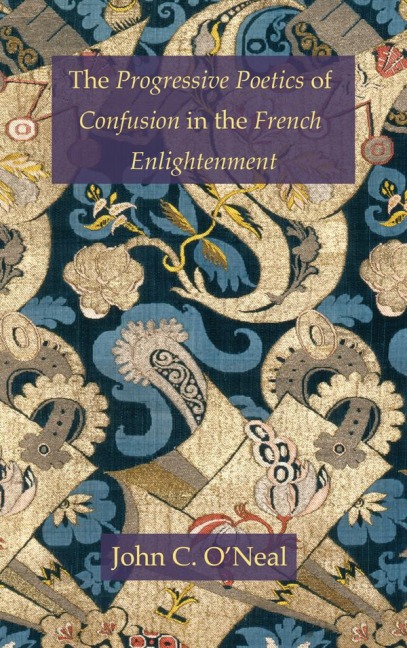
In The Progressive Poetics of Confusion in the French Enlightenment, John C. O'Neal draws largely on the etymological meaning of the word confusion as the action of mixing or blending in order to trace the development of this project which, he claims, aimed to reject dogmatic thinking in all of its forms and recognized the need to embrace complexity. Eighteenth-century thinkers used the notion of confusion in a progressive way to reorganize social classes, literary forms, metaphysical substances, scientific methods, and cultural categories such as taste and gender.
In this new work, O'Neal explores some of the paradoxes of the Enlightenment's theories of knowledge. Each of the chapters in this book attempts to address the questions raised by the eighteenth century's particular approach to confusion as a paradoxical reorganizing principle for the period's progressive agenda. Perhaps the most paradoxical thinker of his times, Diderot occupies a central place in this study of confusion. Other authors include Marivaux, Crébillon, Voltaire, and Pinel, among others. Rousseau and Sade serve as counterexamples to this kind of enlightenment but ultimately do not so much oppose the period's poetics of confusion as they complement it. The final chapter on Sade combines contemporary discussions of politics, society, culture, philosophy, and science in an encyclopedic way that at once reflects the entire period's tendencies and establishes important differences between Sade's thinking and that of the mainstream philosophies. Ultimately, confusion serves, O'Neal argues, as an overarching positive notion for the Enlightenment and its progressive ideals.
John C. O'Neal is professor of French at Hamilton College in Clinton, New York.
Chapter 1 Introduction
Chapter 2 Chapter 1: The Subversive Use of Confusion in Marivaux's Theater
Chapter 3 Chapter 2: Cultivating the Reader's Critical Mind in Crébillon's Les Égarements du coeur et de l'esprit
Chapter 4 Chapter 3: Telling, Reading (or Listening), and Knowing: Interpolated Narrative in Voltaire and Diderot
Chapter 5 Chapter 4: Diderot and the Enlightenment's Poetics of Confusion in the Lettre sur les aveugles
Chapter 6 Chapter 5: Blurring the Boundaries between Mind and Body: Rousseau and the Philosophies on the Soul
Chapter 7 Chapter 6: Society's Confusion in the Lettre à d'Alembert sur les spectacles and the Question of Rousseau's Modernity
Chapter 8 Chapter 7: Gender Confusion
Chapter 9 Chapter 8: Understanding and Intepreting Confusion: Philippe Pinel and the Invention of Psychiatry
Chapter 10 Chapter 9: Sade's Justine: A Response to the Enlightenment's Poetics of Confusion
Chapter 11 Conclusion