
Stöbern
genialokal zum Startbildschirm hinzufügen
Installieren Sie die genialokal App auf Ihrem Startbildschirm für einen schnellen Zugriff und eine komfortable Nutzung.
Installieren Sie die genialokal App auf Ihrem Startbildschirm für einen schnellen Zugriff und eine komfortable Nutzung.
Tippen Sie einfach auf Teilen:
 Und dann auf "Zum Home-Bildschirm [+]".
Ihr gewünschter Artikel ist in 0 Buchhandlungen vorrätig - wählen Sie hier eine Buchhandlung in Ihrer Nähe aus:

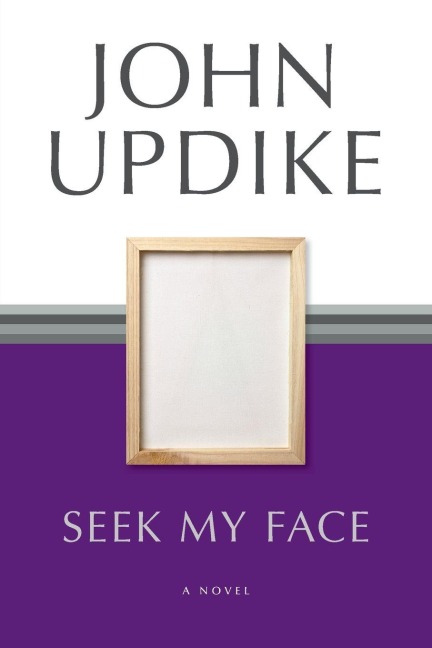

John Updike's twentieth novel, like his first, The Poorhouse Fair, takes place in one day, a day that contains much conversation and some rain. The seventy-nine-year-old painter Hope Chafetz, who in the course of her eventful life has been Hope Ouderkirk, Hope McCoy, and Hope Holloway, answers questions put to her by a New York interviewer named Kathryn, and recapitulates, through stories from her career and many marriages, the triumphant, poignant saga of postwar American art. In the evolving relation between the two women, interviewer and subject move in and out of the roles of daughter and mother, therapist and patient, predator and prey, supplicant and idol. The scene is central Vermont; the time, the early spring of 2001.
John Updike was born in Shillington, Pennsylvania, in 1932. He graduated from Harvard College in 1954 and spent a year in Oxford, England, at the Ruskin School of Drawing and Fine Art. From 1955 to 1957 he was a member of the staff of The New Yorker. His novels have won the Pulitzer Prize, the National Book Award, the National Book Critics Circle Award, the Rosenthal Foundation Award, and the William Dean Howells Medal. In 2007 he received the Gold Medal for Fiction from the American Academy of Arts and Letters. John Updike died in January 2009.