Und dann auf "Zum Home-Bildschirm [+]".

Stöbern
genialokal zum Startbildschirm hinzufügen
Installieren Sie die genialokal App auf Ihrem Startbildschirm für einen schnellen Zugriff und eine komfortable Nutzung.
Installieren Sie die genialokal App auf Ihrem Startbildschirm für einen schnellen Zugriff und eine komfortable Nutzung.
Ihr gewünschter Artikel ist in 0 Buchhandlungen vorrätig - wählen Sie hier eine Buchhandlung in Ihrer Nähe aus:

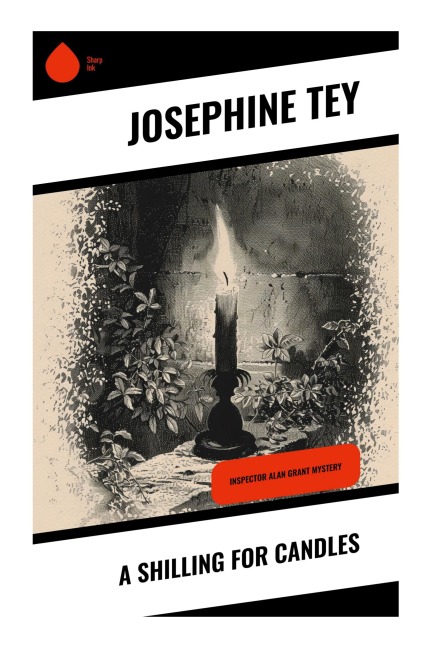
A Shilling for Candles, first published in 1936, is a finely poised Golden Age detective novel in which Inspector Alan Grant investigates the death of the celebrated actress Christine Clay, found drowned on the English coast. Tey combines the architecture of the classical whodunit with a more modern interest in personality, motive, and public performance. Her prose is lucid, ironic, and economical, attentive as much to atmosphere and social nuance as to clues. Josephine Tey was the pseudonym of Elizabeth MacKintosh, a Scottish writer who also achieved success as the playwright Gordon Daviot. Her knowledge of theatrical life, celebrity, disguise, and the pressures of public identity clearly informs this novel's world. Unlike many contemporaries, Tey was less fascinated by puzzle mechanics alone than by the unstable truths people construct about themselves and others. This is an excellent choice for readers who enjoy classic crime fiction but want psychological subtlety alongside detection. Admirers of Agatha Christie and Dorothy L. Sayers will recognize the period pleasures, yet Tey's quiet sophistication gives the novel its distinctive force.
Josephine Tey was a pseudonym used by Elizabeth MacKintosh (1896-1952), a Scottish author best remembered for her mystery novels. She also wrote about a dozen one-act plays and another dozen full-length plays, many with biblical or historical themes under the name Gordon Daviot. In several of Tey's mystery novels, the hero is Scotland Yard Inspector Alan Grant. The most famous of these is The Daughter of Time, which was selected by the British Crime Writers' Association as the greatest mystery novel of all time.