
Stöbern
genialokal zum Startbildschirm hinzufügen
Installieren Sie die genialokal App auf Ihrem Startbildschirm für einen schnellen Zugriff und eine komfortable Nutzung.
Installieren Sie die genialokal App auf Ihrem Startbildschirm für einen schnellen Zugriff und eine komfortable Nutzung.
Tippen Sie einfach auf Teilen:
 Und dann auf "Zum Home-Bildschirm [+]".

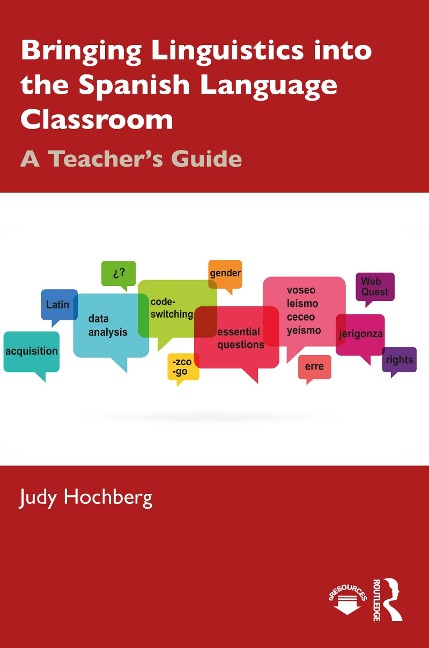
Bringing Linguistics into the Spanish Language Classroom is a practical, time-saving resource that allows teachers to easily integrate the most interesting and important findings of Hispanic linguistics into their Spanish language classes. Teachers will find classroom-ready explanations and PowerPoint slides for each topic covered, as well as instructions and materials for in-class activities and take-home projects that will engage students in this fresh take on the target language. Slide presentations for each chapter are available online at www.routledge.com/9780367111960. The book covers aspects of Spanish from the trilled r to the personal a, from Indo-European origins to modern dialects, and from children's first words to adult speech errors. An innovative set of five linguistics-based essential questions organizes and contextualizes this wide range of material: - How is Spanish different from other languages? - How is Spanish similar to other languages? - What are the roots of Spanish? - How does Spanish vary? - How do people learn and use Spanish? Fully customizable to teacher and student interest, proficiency level, and time available in class, this book is ideal for Spanish language teachers looking to incorporate valuable linguistic insights into their curricula, even if they lack prior knowledge of this field. It is an excellent resource for Hispanic linguistics courses as well.
Judy Hochberg has a PhD in linguistics from Stanford University and teaches Spanish at Fordham University, New York. She is the author of -Por qué? 101 Questions about Spanish (2016) and blogs at spanishlinguist.us.
1. How is Spanish different from other languages? 2. How is Spanish similar to other languages? 3. What are the roots of Spanish? 4. How does Spanish vary? 5. How do people learn and use Spanish?