Und dann auf "Zum Home-Bildschirm [+]".

Stöbern
genialokal zum Startbildschirm hinzufügen
Installieren Sie die genialokal App auf Ihrem Startbildschirm für einen schnellen Zugriff und eine komfortable Nutzung.
Installieren Sie die genialokal App auf Ihrem Startbildschirm für einen schnellen Zugriff und eine komfortable Nutzung.

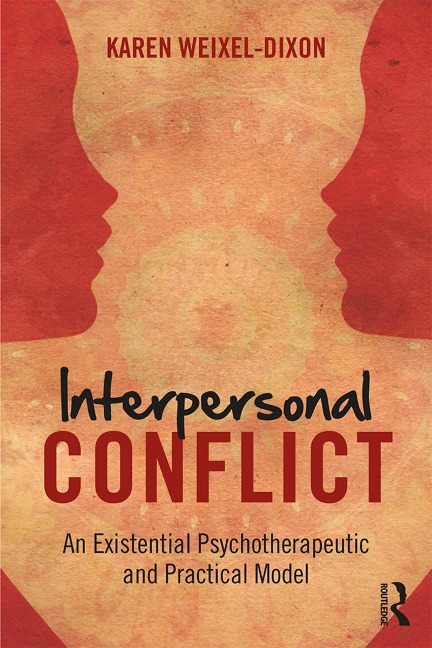

Interpersonal Conflict provides a psychotherapeutic and philosophical understanding of the nature of interpersonal conflict. Arguing that facilitating conflict resolution has little to do with objective logic or rationale, and everything to do with personal (and cultural) values and aspirations, Karen Weixel-Dixon uses the lens of existential psychotherapy to provide innovative skills for conflict management. The book offers a deeper understanding of those theories and practices surrounding currently held perspectives on conflict, and extends the repertoire of communication skills relevant to difficult interpersonal situations, offering theoretical and practical input into the possibilities of reaching a therapeutic result. Interpersonal Conflict will be an engaging and informative guide for professionals in psychotherapy, health, HR, legal and teaching professions working with conflict, as well as students taking courses involving conflict resolution.
Karen Weixel-Dixon is a psychotherapist, supervisor, and accredited mediator in private practice, and a visiting lecturer at Regent's University London. She is co-director for Re-Solution partnership.
Introduction 1. Why existential Psychotherapy 2. The essence of conflict and resolution 3. Part one: Theoretical foundations 4. Givens of existence 5. World-view 6. Self and Other 7. Time 8. The contributions of phenomenology 9. The contributions of hermeneutics 10. Part one summary 11. Case vignette 1: The family 12. Introduction part two: the practise of facilitative conflict resolution 13. Attitude 14. A theory of emotions and how to work with them 15. Practise and skills in managing conflict resolution 16. Strategies for facilitative conflict mediation 17. Format, protocol, and process 18. Ethical considerations 19. Part two summary 20. Case vignette 2: Unfair dismissal 21. Conclusion