
Stöbern
genialokal zum Startbildschirm hinzufügen
Installieren Sie die genialokal App auf Ihrem Startbildschirm für einen schnellen Zugriff und eine komfortable Nutzung.
Installieren Sie die genialokal App auf Ihrem Startbildschirm für einen schnellen Zugriff und eine komfortable Nutzung.
Tippen Sie einfach auf Teilen:
 Und dann auf "Zum Home-Bildschirm [+]".
Ihr gewünschter Artikel ist in 0 Buchhandlungen vorrätig - wählen Sie hier eine Buchhandlung in Ihrer Nähe aus:

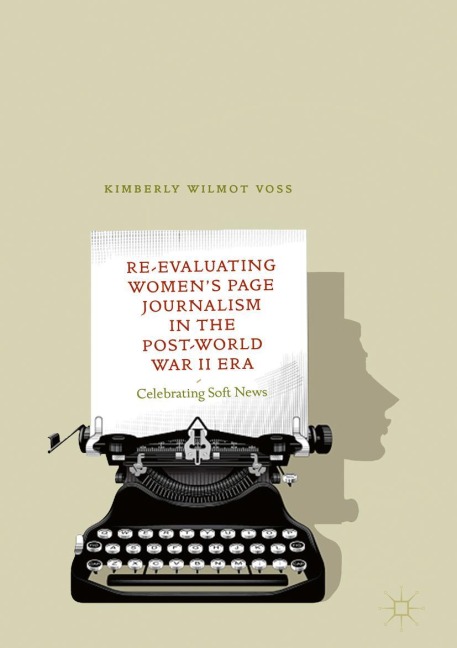
Re-Evaluating Women-s Page Journalism in the Post-World War II Era tells the stories of significant women-s page journalists who contributed to the women-s liberation movement and the journalism community. Previous versions of journalism history had reduced the role these women played at their newspapers and in their communities-if they were mentioned at all. For decades, the only place for women in newspapers was the women-s pages. While often dismissed as fluff by management, these sections in fact documented social changes in communities.
These women were smart, feisty and ahead of their times. They left a great legacy for today-s women journalists. This book brings these individual women together and allows for a broader understanding of women-s page journalism in the 1950s and 1960s. It details the significant roles they played in the post-World War II years, laying the foundation for a changing role for women.
Kimberly Wilmot Voss is Associate Professor at the University of Central Florida, USA. She is author of The Food Section: Newspaper Women and the Culinary Community, Politicking Politely: Well-Behaved Women Making a Difference in the 1960s and 1970s and co-author of Mad Men & Working Women: Feminist Perspectives on Historical Power, Resistance and Otherness.
1. Introducing Post-World War II Women's Pages.- 2. The Growth of the Women's Page Community.- 3. Powerful Partnerships of Women's Page Editors and Club Women.- 4. Recognizing the Soft News of the Women's Pages.- 5. Women's Pages Cover Another F.- 6. Quilted News: Creating a New Definition for News.- 7. The Demise of the Women's Sections.- 8. Women's Page Journalists Across the Country.
E-Mail: ProductSafety@springernature.com