Und dann auf "Zum Home-Bildschirm [+]".

Stöbern
genialokal zum Startbildschirm hinzufügen
Installieren Sie die genialokal App auf Ihrem Startbildschirm für einen schnellen Zugriff und eine komfortable Nutzung.
Installieren Sie die genialokal App auf Ihrem Startbildschirm für einen schnellen Zugriff und eine komfortable Nutzung.

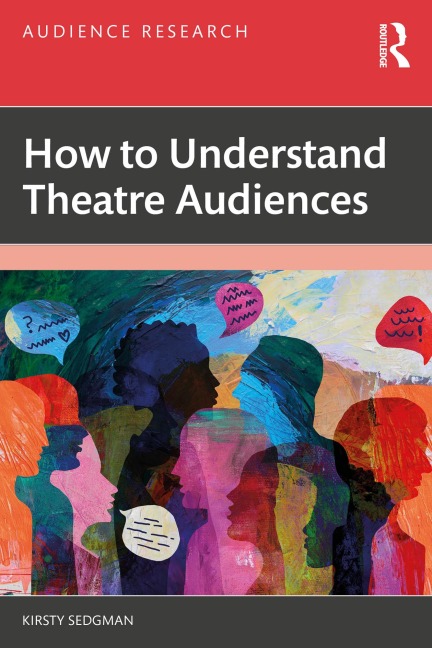
In How to Understand Theatre Audiences, Kirsty Sedgman offers a bold rethinking of what it means to watch, experience, and make meaning from live performance. Drawing on theatre history, spectatorship theory, years of classroom teaching, and hands-on research practice, this book is a lively introduction to key debates in Theatre & Performance Studies, providing accessible explanations of ideas like semiotics, phenomenology, relational aesthetics, and the emancipated spectator. At the same time, it is also a manifesto for taking audiences seriously - not as a homogenous mass but as diverse individuals whose experiences matter. Written in a clear, funny, and unapologetically opinionated style, the book is divided into two parts. 'Reviewing Audience Research' traces the long intellectual history of how audiences have been imagined, regulated, feared, and transformed over time. From Plato to participatory performance, and from unruly crowds to enforced silence, Sedgman dismantles the myth of the passive spectator and replaces it with a richly nuanced account of audiencing as an active, creative, and deeply political process. 'Doing Audience Research' then turns to the practical realities of empirical research: exploring methods from interviews, surveys, and focus groups to cognitive science techniques and creative participatory approaches and concluding by making a powerful case for listening seriously to what audiences say. Designed for students, scholars, practitioners, cultural professionals, and theatre fans alike, this book is essential reading for anyone who wants to think better about spectatorship and the power of performance in a divided age.
Dr Kirsty Sedgman is based in the Theatre Department at the University of Bristol. She regularly speaks about her research in the media and around the world and is known colloquially as the Doctor of Audiences.
Acknowledgments Introduction: Five Lessons for Understanding Audiences Part One: Reviewing Audience Research Part One: Introduction Chapter One: How to Understand... the Passive Spectator Chapter Two: How to Understand... the Active Audience Chapter Three: How to Understand... the History of Audience & Spectatorship Research Part Two: Doing Audience Research Part Two: Introduction Chapter Four: How to Understand... the Problems with Audience Research Chapter Five: How to Understand... the Potentials of Audience Research Chapter Six: How to Understand .... the Politics of Audience Research Conclusion: Five Things to Think About Before Doing Audience Research Index