
Stöbern
genialokal zum Startbildschirm hinzufügen
Installieren Sie die genialokal App auf Ihrem Startbildschirm für einen schnellen Zugriff und eine komfortable Nutzung.
Installieren Sie die genialokal App auf Ihrem Startbildschirm für einen schnellen Zugriff und eine komfortable Nutzung.
Tippen Sie einfach auf Teilen:
 Und dann auf "Zum Home-Bildschirm [+]".
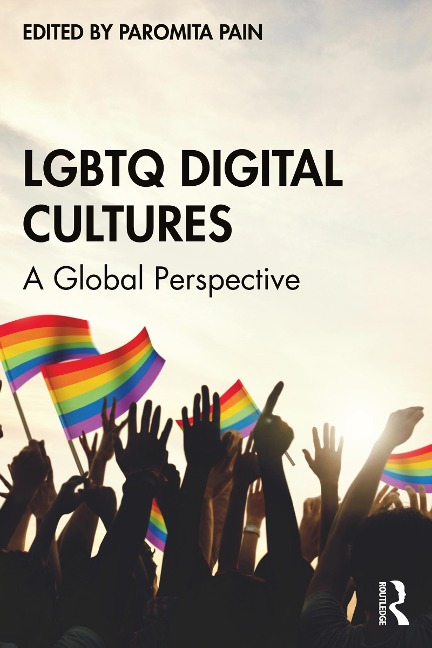
Emphasizing an intersectional and transnational approach, this collection examines how social media and digital technologies have impacted the sphere of LGBTQ activism, advocacy, education, empowerment, identity, protest, and self-expression. This edited collection adopts a critical and cultural studies perspective to examine queer cyberculture and presence. Through the lens of representation and identity politics, it explores topics such as race, disability, and colonialism, alongside sexuality and gender. The collection examines how digital technologies have made queer cultural production more expansive and how such technological affordances and platforms have enabled queer cultural practices to be more transformational. Bringing together contributors and case studies from different countries, the contributions grapple with the tensions that arise when visibility, hiddenness, renditions of the self, and collective contractions of identity must be negotiated in a variety of global contexts and explores this influence on contemporary political identities. This book provides an essential introduction to LGBTQ digital cultures for students, researchers, and scholars of media, communication, and cultural studies. It will also be of interest to activists wanting to learn more about the transformative potential of digital media and technology in LGBTQ advocacy and empowerment around the globe.
Paromita Pain is Assistant Professor of Global Media and Affiliate Faculty of the Cybersecurity Center at the University of Nevada, Reno. Her research focuses on alternate media and global journalism practices from feminist and LGBTQ perspectives. She has a particular interest in international communication and newsroom norms. She has researched journalism and news practices and LGBTQ activism in India, Taiwan, the USA, and Latin America.
Introduction: Digital media as sites of resistance, activism, and communication 1. Queer Cuarentena and "Mandinga Times": Rita Indiana, Caribbean Artivism, and LGBTQ+ Social Media Spheres During COVID-19 2. Online Discourse Framing of LGBTQIA+ Student Activism in the Philippines 3. Take a Look Inside: Exploring Closets as Fingerprints of the Queer Community 4. "NOT ALL BLACK GUYS ARE TOPS": Pushing back against racist sexual stereotypes surrounding the Black male body on gay dating apps 5. Alighting on the Digital: Trans Migrant Testimonios 6. Examining the Iranian LGBTQ Counterpublics on Instagram 7. Negotiating the Non-negotiable: Debating transgender issues on Chinese social media 8. Queer Marketing, Who Is It Really For? Identifying a Strategy for Authentic Approaches to LGBTQ+ Branded Messages 9. New Channels in Trans Activism: Lubunya Digital Cultures in Turkey 10. Queering the Social: Facebook groups and the Indian Queer Counterpublic 11. Theorizing Cultures of Oversharing on TikTok 12. Her Phallic Sword: Hypersexual Cyberqueer Activism on Social Media Platforms 13. Feminists against Same-Sex Marriage: Queer counterpublics in a contested digital space 14. #Shadowbanned: Queer, Trans, and Disabled Creator Responses to Algorithmic Oppression on TikTok 15. Bangladesh's Invisible Cyberqueers: Self-image, identity management, and erotic expressions on Grindr 16. How Queer is Sex Education? Analyzing its Non-Normative Gender Identities and Forbidden Fantasies 17. LGBTQ2S Across Canada: CBC YouTube Discourse 18. Not a Phase (Nor for Your Gaze): Resistive Audiovisual Aesthetics and Practices in Cyberqueer Spaces
Dieses eBook wird im PDF-Format geliefert und ist mit einem Adobe Kopierschutz (DRM) versehen. Sie können dieses eBook mit allen Geräten lesen, die das PDF-Format und den Adobe Kopierschutz (DRM) unterstützen.
Zum Beispiel mit den folgenden Geräten:
• tolino Reader
Laden Sie das eBook direkt über den Reader-Shop auf dem tolino herunter oder übertragen Sie das eBook auf Ihren tolino mit einer kostenlosen Software wie beispielsweise Adobe Digital Editions.
• Sony Reader & andere eBook Reader
Laden Sie das eBook direkt über den Reader-Shop herunter oder übertragen Sie das eBook mit der kostenlosen Software Sony READER FOR PC/Mac oder Adobe Digital Editions auf ein Standard-Lesegeräte mit epub- und Adobe DRM-Unterstützung.
• Tablets & Smartphones
Möchten Sie dieses eBook auf Ihrem Smartphone oder Tablet lesen, finden Sie hier unsere kostenlose Lese-App für iPhone/iPad und Android Smartphone/Tablets.
• PC & Mac
Lesen Sie das eBook direkt nach dem Herunterladen mit einer kostenlosen Lesesoftware, beispielsweise Adobe Digital Editions, Sony READER FOR PC/Mac oder direkt über Ihre eBook-Bibliothek in Ihrem Konto unter „Meine eBooks“ - „online lesen“.
Schalten Sie das eBook mit Ihrer persönlichen Adobe ID auf bis zu sechs Geräten gleichzeitig frei.
Bitte beachten Sie, dass die Kindle-Geräte das Format nicht unterstützen und dieses eBook somit nicht auf Kindle-Geräten lesbar ist.