
Stöbern
genialokal zum Startbildschirm hinzufügen
Installieren Sie die genialokal App auf Ihrem Startbildschirm für einen schnellen Zugriff und eine komfortable Nutzung.
Installieren Sie die genialokal App auf Ihrem Startbildschirm für einen schnellen Zugriff und eine komfortable Nutzung.
Tippen Sie einfach auf Teilen:
 Und dann auf "Zum Home-Bildschirm [+]".

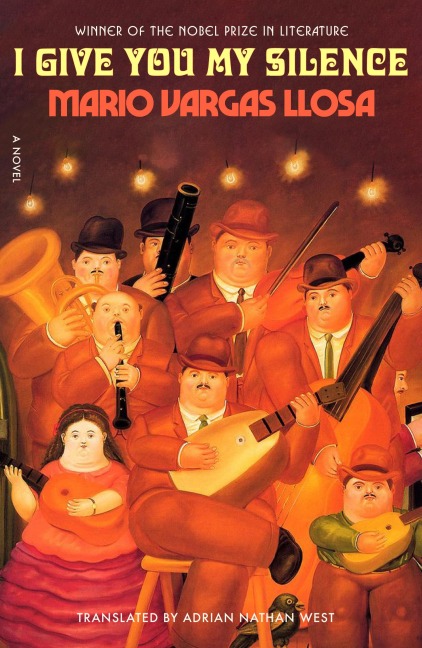
In his final novel, the Nobel Prize winner Mario Vargas Llosa returns to his native Peru. Toño Azpilcueta, proletarian intellectual, writer of sundry articles, aspirant to the now-defunct professorship of Peruvian studies, is an expert in the vals, a genre of music descended from the European waltz but rooted in New World creole culture. When he hears a performance by the elusive guitarist Lalo Molfino, Toño is convinced not only that he is in the presence of the country's finest musician, but also that his own love for Peruvian music, as he has long suspected, has a profound, provable social function. If he could just write the biography of the man before him and tell the story of both the vals and its attendant inspiring ethos, huachafería (Peru's great contribution to world culture, as per Toño), he might capture his country's soul and inspire his fellow citizens to remember the ties that bind them. Through music, the populace might come together, lay down their arms, and embrace a harmonious and unified Peruvian culture. Both a send-up of parochial idealism and a love song to the culture of his homeland, Mario Vargas Llosa's I Give You My Silence is the moving final novel of the Peruvian Nobel Prize winner, whose enduring works captured a changing Latin America. The tragic hero Toño and his belief in a democratic, proletarian music at odds with the culture and politics of a modern Peru scarred by violence is the writer's last statement on the revelatory, maddening, foolhardy, yet irrepressible conviction that art has profound transformative power.
Mario Vargas Llosa (1936-2025) was awarded the Nobel Prize in Literature "for his cartography of structures of power and his trenchant images of the individual's resistance, revolt, and defeat." He also received the Miguel de Cervantes Prize, the Spanish-speaking world's most distinguished literary honor. His many works include The Feast of the Goat, In Praise of the Stepmother, and Aunt Julia and the Scriptwriter, all published by Farrar, Straus and Giroux. Adrian Nathan West is a novelist, an essayist, and a translator who lives between the United States and Spain. His work has appeared in The New York Review of Books, The Times Literary Supplement, the London Review of Books, The Baffler, and many other publications. He is the author of The Aesthetics of Degradation and the novel My Father's Diet.