Und dann auf "Zum Home-Bildschirm [+]".

Stöbern
genialokal zum Startbildschirm hinzufügen
Installieren Sie die genialokal App auf Ihrem Startbildschirm für einen schnellen Zugriff und eine komfortable Nutzung.
Installieren Sie die genialokal App auf Ihrem Startbildschirm für einen schnellen Zugriff und eine komfortable Nutzung.

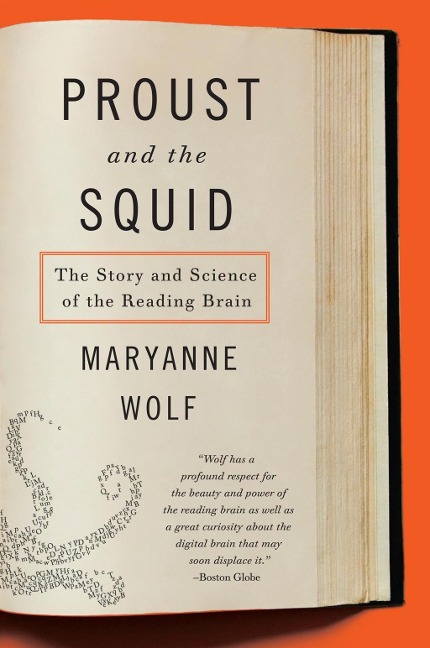


"Wolf restores our awe of the human brainits adaptability, its creativity, and its ability to connect with other minds through a procession of silly squiggles." San Francisco Chronicle How do people learn to read and writeand how has the development of these skills transformed the brain and the world itself ? Neuropsychologist and child development expert Maryann Wolf answers these questions in this ambitious and provocative book that chronicles the remarkable journey of the reading brain not only throughout our evolution but also over the course of a single child's life, showing why a growing percentage have difficulty mastering these abilities. With fascinating down-to-earth examples from cognitive neuroscience and lively personal anecdotes, Wolf asserts that the brain that examined the tiny clay tablets of the Sumerians is a very different brain from the one that is immersed in today's technology-driven literacy, in which visual images on the screen are paving the way for a reduced need for written languagewith potentially profound consequences for our future. Drawing on history, neuroscience, and personal stories, this landmark book illuminates the science behind our brain's greatest invention. What does this journey tell us about ourselves, and what is at stake in our digital future?- A Journey Through the History of Writing: Follow the evolution of written language from the first Sumerian clay tablets to the development of the alphabet, and see how this invention reshaped human consciousness.- How a Child Learns to Read: Discover the miracle of a young brain learning to read, recapitulating in a few short years the breakthroughs that took our species thousands of years to achieve.- The Science of Dyslexia: Gain a new understanding of reading challenges, exploring dyslexia not simply as a deficit but as a different organization of the brain that often comes with unique strengths.- The Future of the Reading Brain: Confront profound questions about our transition to a digital culture and what might happen to our cognitive abilities in a world increasingly dominated by screens.
Maryanne Wolf is a scholar, teacher, and global advocate for children and literacy. She directs the Center for Dyslexia, Diverse Learners, and Social Justice at UCLA and is the former John DiBiaggio Professor of Citizenship and Public Service at Tufts University. She has authored over 170 publications, including Reader, Come Home, Proust and the Squid, and Tales of Literacy for the 21st Century.