
Stöbern
genialokal zum Startbildschirm hinzufügen
Installieren Sie die genialokal App auf Ihrem Startbildschirm für einen schnellen Zugriff und eine komfortable Nutzung.
Installieren Sie die genialokal App auf Ihrem Startbildschirm für einen schnellen Zugriff und eine komfortable Nutzung.
Tippen Sie einfach auf Teilen:
 Und dann auf "Zum Home-Bildschirm [+]".
Ihr gewünschter Artikel ist in 0 Buchhandlungen vorrätig - wählen Sie hier eine Buchhandlung in Ihrer Nähe aus:

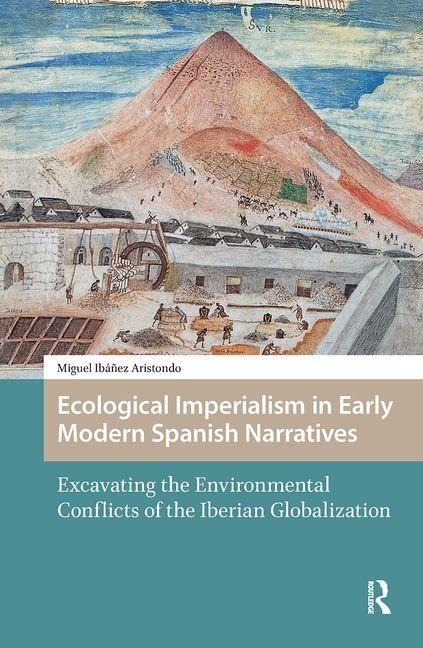
How are the environmental conflicts of our time intertwined with the legacies of Spanish imperialism and early modern globalization? In Ecological Imperialism in Early Modern Spanish Narratives: Excavating the Environmental Conflicts of the Iberian Globalization, Miguel Ibáñez Aristondo argues that to understand the historical ramifications of the ecological crisis, it is imperative to excavate the fragmented histories and entangled viewpoints associated with European imperialism. Drawing on early modern Iberian, Indigenous, and European sources, the book interrogates how early modern debates regarding war, free trade, abundance, property, race, sovereignty, and history were deeply entwined within ideas and theories driving the relationship between humans and the environment. By exploring the conflict-ridden experiences arising from Spanish imperialism, the book argues that ecological crises have given rise to divergent visions and social hierarchies over time, driven by environmental conflicts opposing social justice and collective life to capital accumulation and imperial competition.
Miguel Ibáñez Aristondo is an Assistant Professor at Villanova University. He holds the María Zambrano Fellowship in the Department of History at the Complutense University of Madrid. His research focuses on Latin American and Iberian history, literature, and culture.
Acknowledgements, List of Illustrations, Introduction: Tracing the Environmental Legacies of Ecological Imperialism, Chapter One: War, Trade, and Imperialism in Iberian Narratives of China, Chapter Two: Silencing Indigenous Agency through Natural History, Chapter Three: Indigenous Responses in the Contact Zone, Chapter Four: Affluence and Racial Capitalism, Conclusion: Writing the Planetary Crisis from the Edges of the Poor, Bibliography and Sources, Index