
Stöbern
genialokal zum Startbildschirm hinzufügen
Installieren Sie die genialokal App auf Ihrem Startbildschirm für einen schnellen Zugriff und eine komfortable Nutzung.
Installieren Sie die genialokal App auf Ihrem Startbildschirm für einen schnellen Zugriff und eine komfortable Nutzung.
Tippen Sie einfach auf Teilen:
 Und dann auf "Zum Home-Bildschirm [+]".
Ihr gewünschter Artikel ist in 0 Buchhandlungen vorrätig - wählen Sie hier eine Buchhandlung in Ihrer Nähe aus:

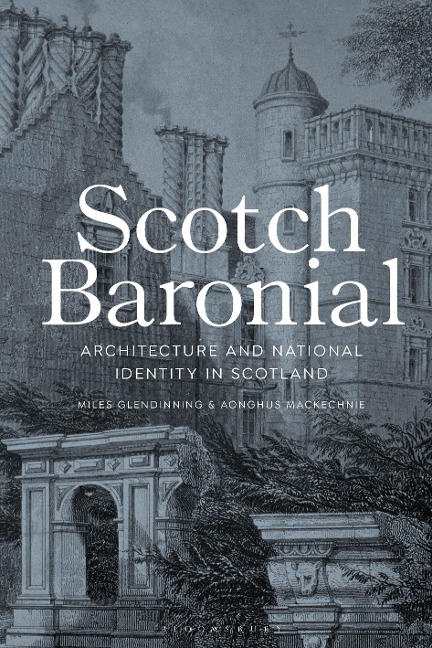
This book takes a timely look at how Scotland's national politics have been expressed in its buildings, exploring the role the architecture of Scotland - in particular its world-famous 'castle architecture' - has played the ongoing narrative of Scots national identity. Scotch Baronial examines many of the country's most important historic buildings - from the palaces left behind by the 'lost' monarchy, to revivalist castles and proud town halls - examining their architectural styles and tracing their wildly fluctuating political and national connotations. An introduction to a key episode in British architectural history, and a valuable resource for anyone studying the role of architecture in narratives of nationalism and empire globally, Scotch Baronial ends by bringing the story into the 21st century, exploring how contemporary 'neo-modernist' architecture in today's Scotland, as exemplified in the Holyrood parliament, relates to concepts of national identity in architecture over the previous centuries.
Miles Glendinning is Professor of Architectural Conservation at the Edinburgh School of Architecture and Landscape Architecture, University of Edinburgh, UK. Aonghus MacKechnie is an architectural historian and Head of Heritage Management at Historic Scotland. Together, they have co-authored numerous books including A History of Scottish Architecture (1996, co-authored with Ranald MacInnes), and Scottish Architecture (2004).
Introduction: Pre-1603 Scotland: Castellated Architecture and 'Martial Independence' Part I: Absent Monarchs and Civil Strife Chapter 1: 1603-1660: Empty royal palaces and castellated court architecture Chapter 2: 1660-1689: From restitution to rejection of the old order Chapter 3: 1689-1750: The architecture of dynastic struggle Part II: From 'Romantic Scotland' to 'Imperial Scotland' Chapter 4: 1750-1790: Enlightenment and Romanticism Chapter 5: 1790-1820: Scotland and England in the Age of Revolutionary War Chapter 6: 1820-40: Scott, Abbotsford and 'Scotch' Romanticism Chapter 7: 1840-70: Billings and Bryce: mid-century Baronial Chapter 8: 1870-1900: Traditionalism Chapter 9: External reflections: 'national' Scottish architecture and the empire Part III: The Twentieth Century Chapter 10: 1914 onwards: Scottish architectural identity in the age of Modernism Conclusion: The architecture of Unionist Nationalism - and its international significance Bibliography Index