Und dann auf "Zum Home-Bildschirm [+]".

Stöbern
genialokal zum Startbildschirm hinzufügen
Installieren Sie die genialokal App auf Ihrem Startbildschirm für einen schnellen Zugriff und eine komfortable Nutzung.
Installieren Sie die genialokal App auf Ihrem Startbildschirm für einen schnellen Zugriff und eine komfortable Nutzung.
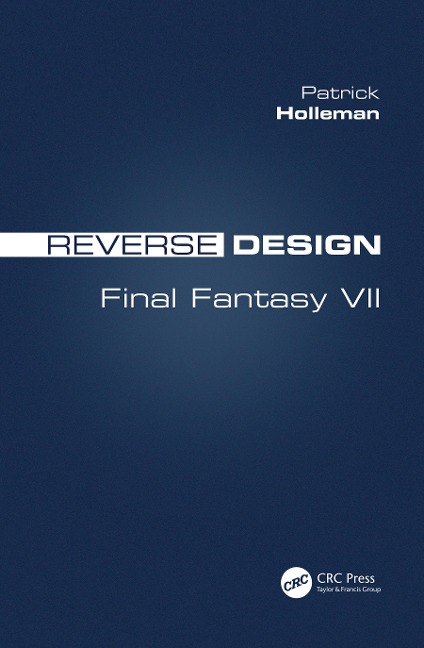
The Reverse Design series looks at all of the design decisions that went into classic video games. This is the fifth installment in the Reverse Design series, looking at Final Fantasy VII. Written in a readable format, it is broken down into eight sections examining some of the most important topics to the game: - How latter-day critics have misunderstood the artistic goals of Final Fantasy VII - How RPG history began to diverge significantly after 1981, allowing for the creation of specialized RPGs like Rogue, Pokemon, and especially Final Fantasy VII - How Final Fantasy VII does not abandon complexity in its systems, but simply moves that complexity to the endgame to aid the narrative elements of the game Key Features- Comprehensive definitions of key concepts and terms, introducing the reader to the basic knowledge about the study of RPG design- Summary of historical context of Final Fantasy VII going all the way back to Dungeons & Dragons - Extensive collections of data and data visualizations explaining how Final Fantasy VII's systems work, how they are organized to prioritize exploration, and how they interlock in a positive feedback loop that peaks at the end of the game
Patrick Holleman founded The Game Design Forum in 2010 with the specific goal of publishing scholarly articles about videogame design. On that site he originally published the Reverse Design series, which has been used by game designers and students across the world to improve their understanding of their craft. Material from that series has been used in online courses as well as university settings, including the University of Toronto and Cornell. His writing has also appeared in Paste Magazine, Indie Game Magazine and Tutsplus. In addition to his writing, Holleman has worked as a part-time producer and consultant in the game development industry. He lives in Pennsylvania.
Chapter 1 Final Fantasy VII and the History of RPGs Chapter 2 Narrative and Design Chapter 3 Quantitative Analysis of the Game Script Chapter 4 Game Difficulty and the Four Phases of FFVII Chapter 5 Finding Complexity in Wide Levels Chapter 6 Enemy Archetypes Chapter 7 The Design of Towns and Dungeons Chapter 8 Music and Design Chapter 9 Conclusion
Dieses eBook wird im PDF-Format geliefert und ist mit einem Adobe Kopierschutz (DRM) versehen. Sie können dieses eBook mit allen Geräten lesen, die das PDF-Format und den Adobe Kopierschutz (DRM) unterstützen.
Zum Beispiel mit den folgenden Geräten:
• tolino Reader
Laden Sie das eBook direkt über den Reader-Shop auf dem tolino herunter oder übertragen Sie das eBook auf Ihren tolino mit einer kostenlosen Software wie beispielsweise Adobe Digital Editions.
• Sony Reader & andere eBook Reader
Laden Sie das eBook direkt über den Reader-Shop herunter oder übertragen Sie das eBook mit der kostenlosen Software Sony READER FOR PC/Mac oder Adobe Digital Editions auf ein Standard-Lesegeräte mit epub- und Adobe DRM-Unterstützung.
• Tablets & Smartphones
Möchten Sie dieses eBook auf Ihrem Smartphone oder Tablet lesen, finden Sie hier unsere kostenlose Lese-App für iPhone/iPad und Android Smartphone/Tablets.
• PC & Mac
Lesen Sie das eBook direkt nach dem Herunterladen mit einer kostenlosen Lesesoftware, beispielsweise Adobe Digital Editions, Sony READER FOR PC/Mac oder direkt über Ihre eBook-Bibliothek in Ihrem Konto unter „Meine eBooks“ - „online lesen“.
Schalten Sie das eBook mit Ihrer persönlichen Adobe ID auf bis zu sechs Geräten gleichzeitig frei.
Bitte beachten Sie, dass die Kindle-Geräte das Format nicht unterstützen und dieses eBook somit nicht auf Kindle-Geräten lesbar ist.