
Stöbern
genialokal zum Startbildschirm hinzufügen
Installieren Sie die genialokal App auf Ihrem Startbildschirm für einen schnellen Zugriff und eine komfortable Nutzung.
Installieren Sie die genialokal App auf Ihrem Startbildschirm für einen schnellen Zugriff und eine komfortable Nutzung.
Tippen Sie einfach auf Teilen:
 Und dann auf "Zum Home-Bildschirm [+]".
Ihr gewünschter Artikel ist in 0 Buchhandlungen vorrätig - wählen Sie hier eine Buchhandlung in Ihrer Nähe aus:

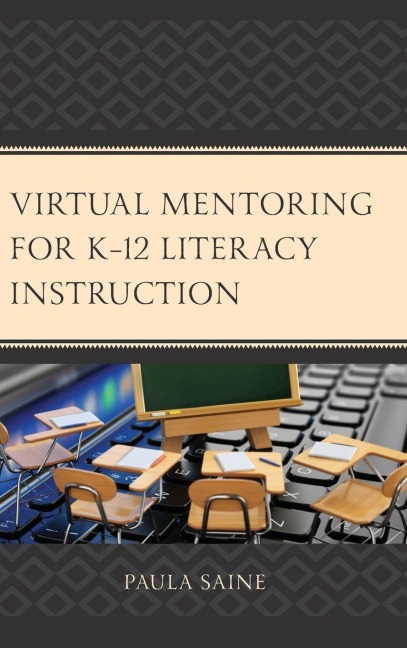
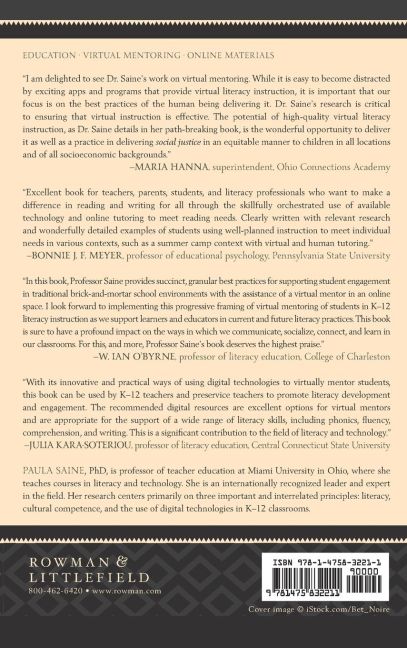
There is no research-based text that provides a model for teaching and learning in a virtual environment with literacy learners. Therefore, this book will focus on preparing challenging students to be successful independent learners for the twenty first century. This will involve one where students are constructing their own meaning not only within the traditional brick and mortar environment with the assistant of the classroom teacher, but also in an online environment scaffolded by a virtual tutor. Today, virtual environments are a common alternative space for students in K–12 to engage in meaningful online literacy learning with their tutors (Boxie, 2004; Hurst, 2007; Williams & Casale, 2015; Witte, 2007).
Paula Saine
Foreword Introduction PART I: Planning Chapter 1: What is a Virtual Mentor? Chapter 2: Selecting Online Materials PART II: Virtual Engagement of Instructional Practices Chapter 3: Teaching Phonics and Vocabulary Development using iChat Chapter 4: Developing Reading Fluency Instruction using iChat Chapter 5: Promoting Comprehension using Webex Chapter 6: Making a Cyber Literacy Connection using Email Chapter 7: Fostering Authentic Writing using Edmodo Chapter 8: Student Motivation PART III: Reflecting on the Virtual Experience Chapter 9: Voices of Virtual Mentors and Mentees Appendix A: Online Resources Appendix B: Lesson Reflection Prompts Appendix C: eMentoring Survey About the Author Index