
Stöbern
genialokal zum Startbildschirm hinzufügen
Installieren Sie die genialokal App auf Ihrem Startbildschirm für einen schnellen Zugriff und eine komfortable Nutzung.
Installieren Sie die genialokal App auf Ihrem Startbildschirm für einen schnellen Zugriff und eine komfortable Nutzung.
Tippen Sie einfach auf Teilen:
 Und dann auf "Zum Home-Bildschirm [+]".
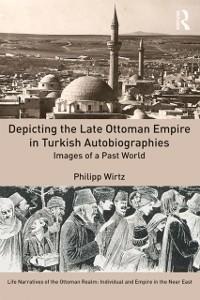
The period between the 1880s and the 1920s was a time of momentous changes in the Ottoman Empire. It was also an age of literary experiments, of which autobiography forms a part. This book analyses Turkish autobiographical narratives describing the part of their authors' lives that was spent while the Ottoman Empire still existed. The texts studied in this book were written in the cultural context of the Turkish Republic, which went to great lengths to disassociate itself from the empire and its legacy. This process has only been criticised and partially reversed in very recent times, the resurging interest in autobiographical texts dealing with the "old days" by the Turkish reading public being part of a wider, renewed regard for Ottoman legacies. Among the analysed texts are autobiographies by writers, journalists, soldiers and politicians, including classics like Halide Edip Adivar and Sevket Süreyya Aydemir, but also texts by authors virtually unknown to Western readers, such as Ahmed Emin Yalman. While the official Turkish republican discourse went towards a dismissal of the imperial past, autobiographical narratives offer a more balanced picture. From the earliest memories and personal origins of the authors, to the conflict and violence that overshadowed private lives in the last years of the Ottoman Empire, this book aims at showing examples of how the authors painted what one of them called "images of a past world."
Philipp Wirtz studied the history, languages and cultures of the Middle East in Frankfurt am Main, Bamberg and London. He holds a PhD from the School of Oriental and African Studies (SOAS), University of London and teaches Middle East history at SOAS and the University of Warwick.
Note on transliteration, dates and names Acknowledgements Introduction I Why write Autobiography? II Origins, Backgrounds and Beginnings III Presenting Ottoman Childhoods IV Education: Reminiscences of School V End of Empire: Revolution, Unrest and War VI Post-Ottoman Autobiography for Western Audiences Conclusion: Remembering lost Ottoman Worlds Appendix: Glossary of Key Authors Bibliography Index
Dieses eBook wird im PDF-Format geliefert und ist mit einem Adobe Kopierschutz (DRM) versehen. Sie können dieses eBook mit allen Geräten lesen, die das PDF-Format und den Adobe Kopierschutz (DRM) unterstützen.
Zum Beispiel mit den folgenden Geräten:
• tolino Reader
Laden Sie das eBook direkt über den Reader-Shop auf dem tolino herunter oder übertragen Sie das eBook auf Ihren tolino mit einer kostenlosen Software wie beispielsweise Adobe Digital Editions.
• Sony Reader & andere eBook Reader
Laden Sie das eBook direkt über den Reader-Shop herunter oder übertragen Sie das eBook mit der kostenlosen Software Sony READER FOR PC/Mac oder Adobe Digital Editions auf ein Standard-Lesegeräte mit epub- und Adobe DRM-Unterstützung.
• Tablets & Smartphones
Möchten Sie dieses eBook auf Ihrem Smartphone oder Tablet lesen, finden Sie hier unsere kostenlose Lese-App für iPhone/iPad und Android Smartphone/Tablets.
• PC & Mac
Lesen Sie das eBook direkt nach dem Herunterladen mit einer kostenlosen Lesesoftware, beispielsweise Adobe Digital Editions, Sony READER FOR PC/Mac oder direkt über Ihre eBook-Bibliothek in Ihrem Konto unter „Meine eBooks“ - „online lesen“.
Schalten Sie das eBook mit Ihrer persönlichen Adobe ID auf bis zu sechs Geräten gleichzeitig frei.
Bitte beachten Sie, dass die Kindle-Geräte das Format nicht unterstützen und dieses eBook somit nicht auf Kindle-Geräten lesbar ist.