Und dann auf "Zum Home-Bildschirm [+]".

Stöbern
genialokal zum Startbildschirm hinzufügen
Installieren Sie die genialokal App auf Ihrem Startbildschirm für einen schnellen Zugriff und eine komfortable Nutzung.
Installieren Sie die genialokal App auf Ihrem Startbildschirm für einen schnellen Zugriff und eine komfortable Nutzung.
Ihr gewünschter Artikel ist in 0 Buchhandlungen vorrätig - wählen Sie hier eine Buchhandlung in Ihrer Nähe aus:

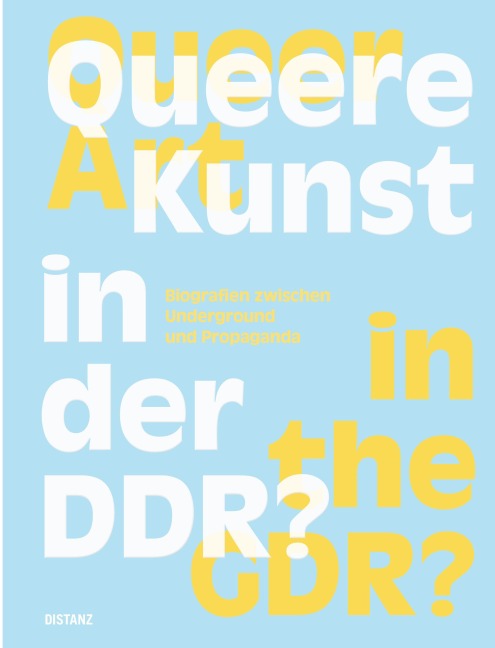
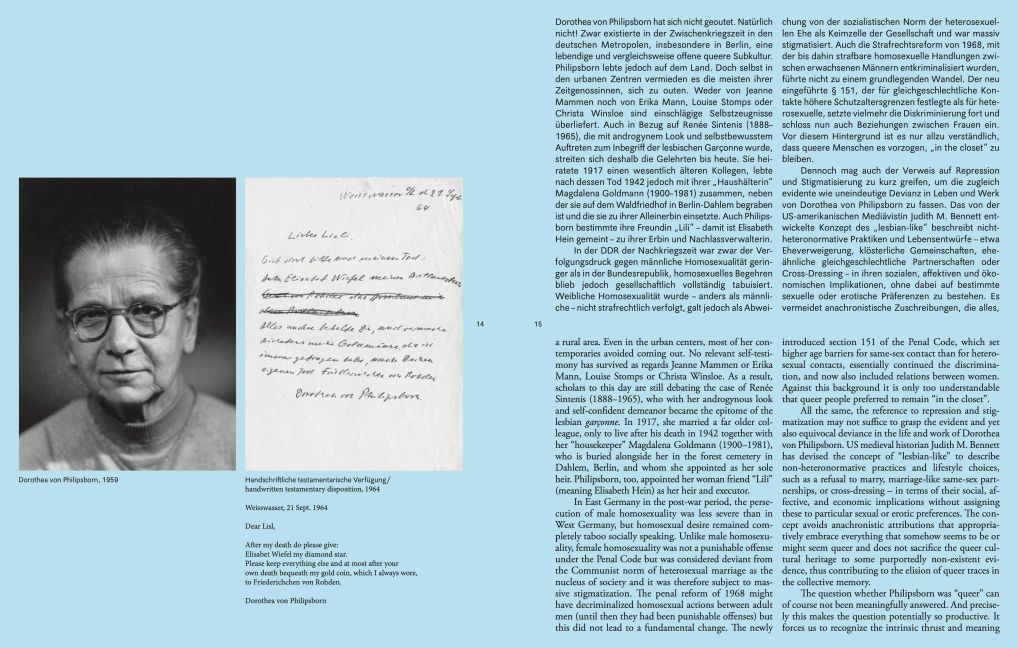
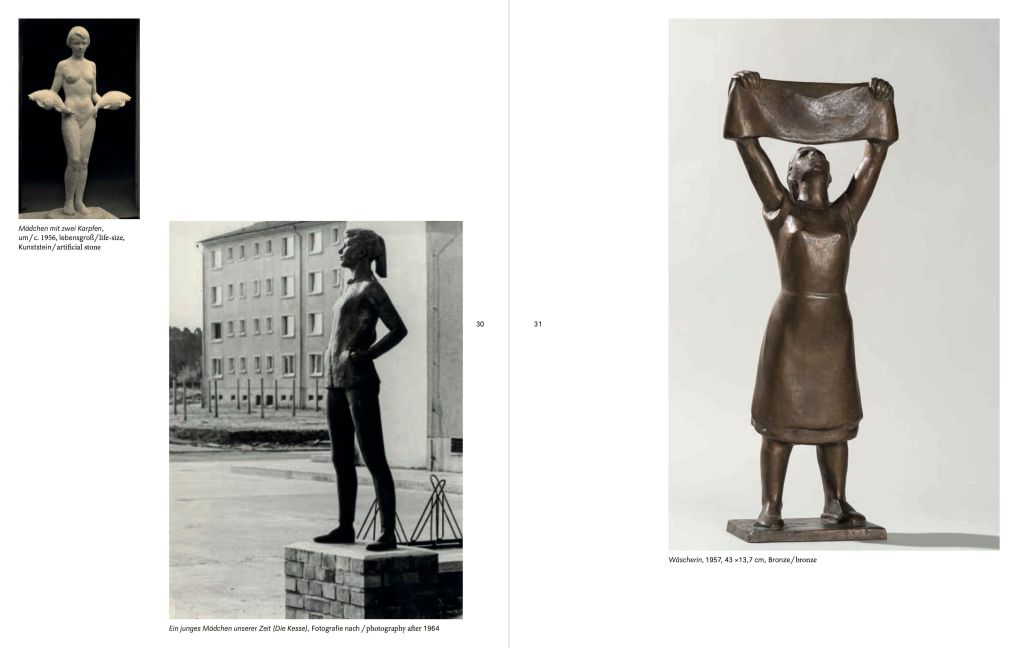
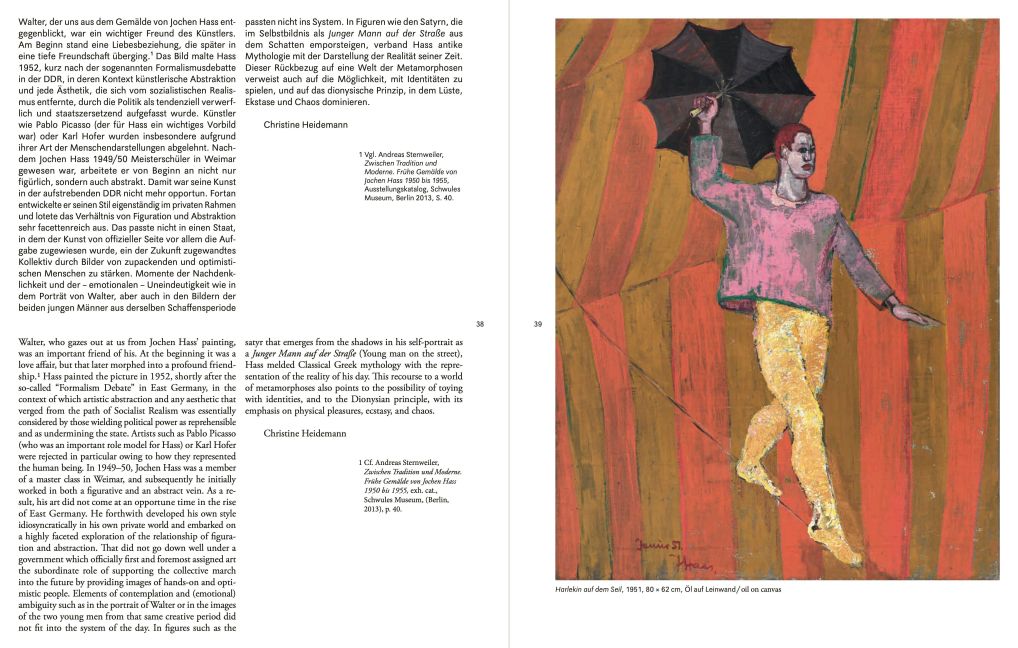
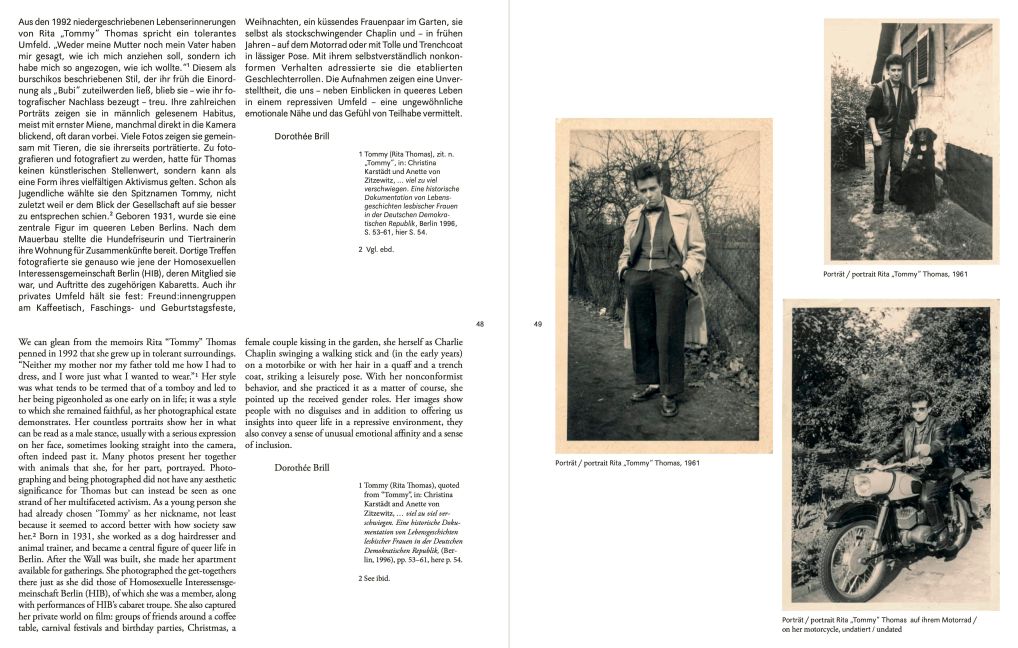
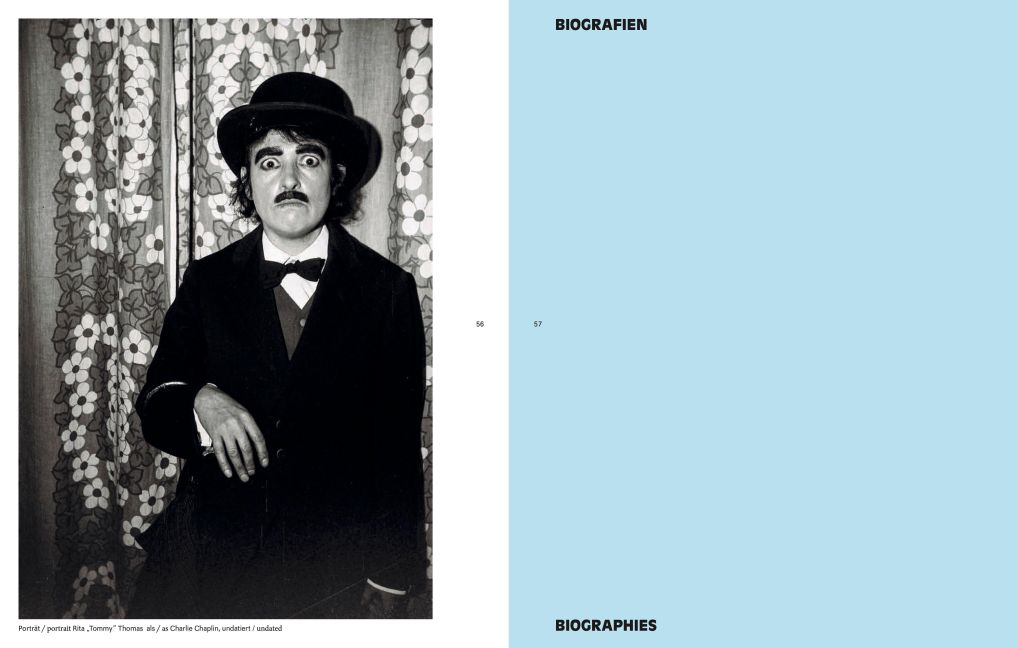
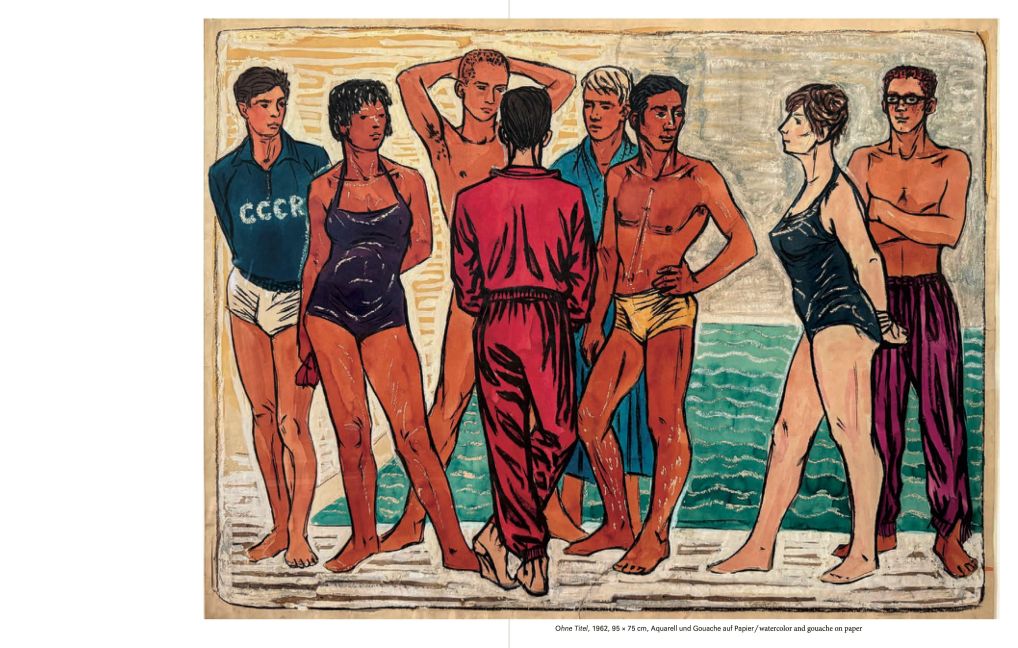
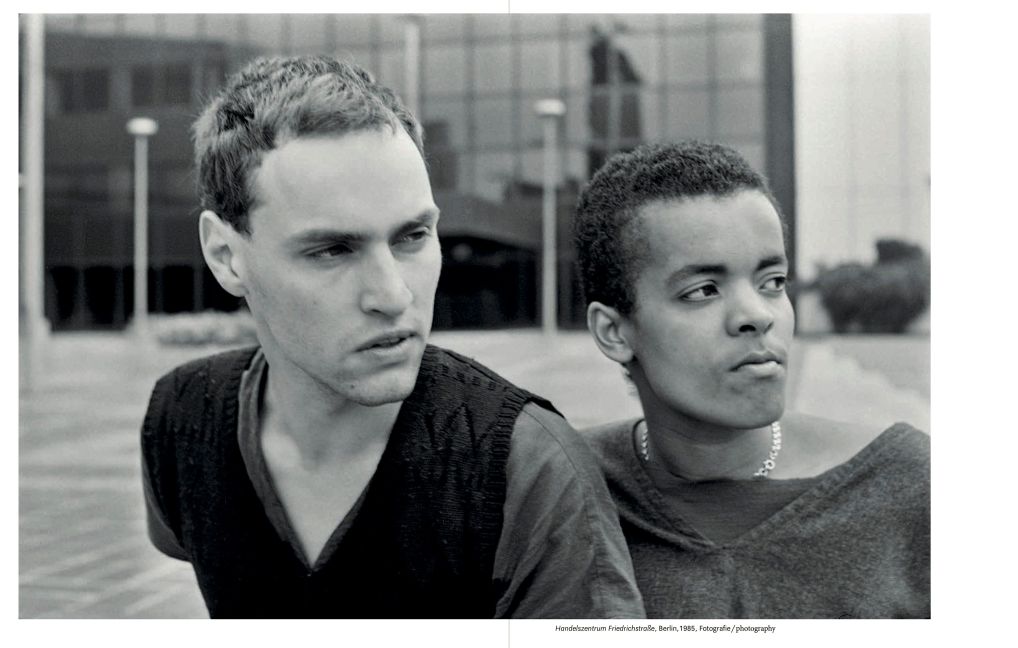
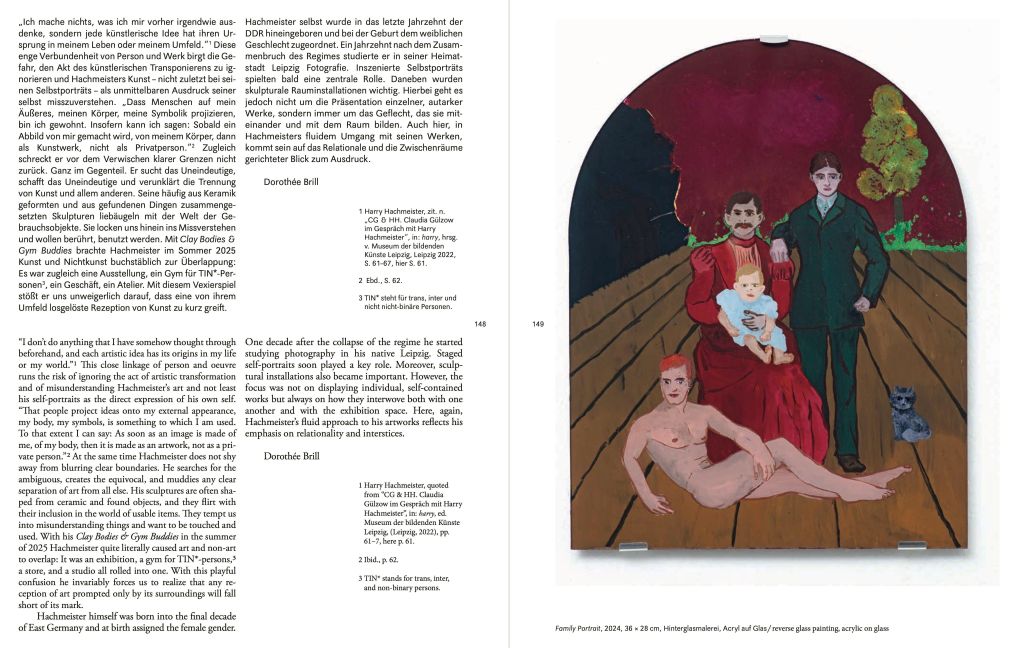
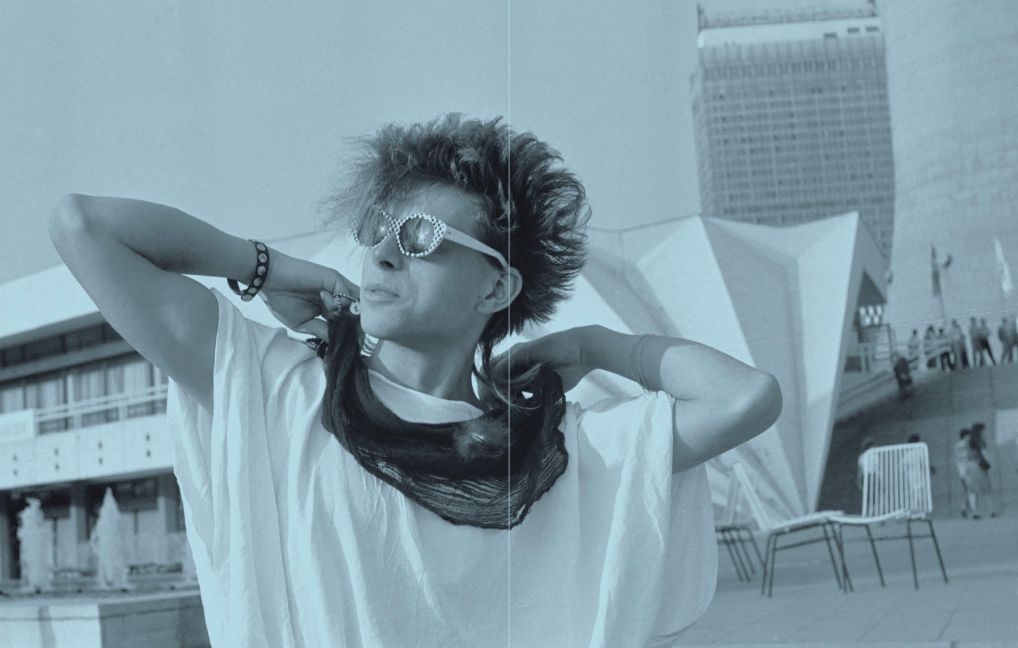
As the first comprehensive exploration of queer art in East Germany, this volume challenges simplified narratives of decriminalization to examine the creation of art under political and sexual repression. Queer people in East Germany lived in a situation defined by government control, enforced public silence, and social invisibility. Although the German Democratic Republic (GDR) struck Paragraph 175 of the penal code in 1968, many years before its Western counterpart did, Paragraph 151 remained on the books, codifying queer people's unequal status. Despite gradual decriminalization, homosexuality remained heavily stigmatized both socially and politically. After the fall of the Berlin Wall, the situation of queer artists did not improve significantly. On the contrary, many artists from the GDR faced the threat of being forgotten. The connection between these two perspectives--queer biographies and artistic forms of expression in the communist dictatorship--remains largely unexplored to this day. The exhibition and publication project sheds light on queer positions in art from East Germany, delving into the question of how an artist's sexuality affected their work and professional development under the communist dictatorship. Retracing the lives and oeuvres of the artists Toni Ebel, Andreas Fux, Harry Hachmeister, Jochen Hass, Dorothea von Philipsborn, Erika Stürmer-Alex, Rita Thomas, Jürgen Wittdorf, and Egon Wrobel, the book illustrates the widely different ways in which they handled the political and social constraints of their time. The book includes essays by Birgit Bosold, Dorothee Brill, Maria Bühner, Christine Heidemann, Stephan Koal, Christoph Tannert, and Raimund Wolfert.
Stephan Koal works in Berlin as the director of KVOST (Kunstverein Ost), a contemporary art institution. Birgit Bosold has been a member of the board of directors of the Schwules Museum since 2006 (and its first female member). In this volunteer capacity, she has played a key role in the museum's strategic reorientation--including its move to a new location and expansion of its programming--through, among other things, exhibitions she has curated. Dorothee Brill is art historian and curator. Maria Bühner is a cultural studies scholar and historian.